This article compares wood, laminate, and marble table tops, helping commercial buyers choose the best surface based on durability, aesthetics, and restaurant concept.
Restaurant table tops must withstand constant use, cleaning chemicals, heat exposure, and daily wear—making material selection critical. The three most common materials—wood, laminate, and marble—each offer unique advantages depending on the restaurant’s concept, budget, and durability requirements.
1. Wood Table Tops: Warm, Natural, and Premium
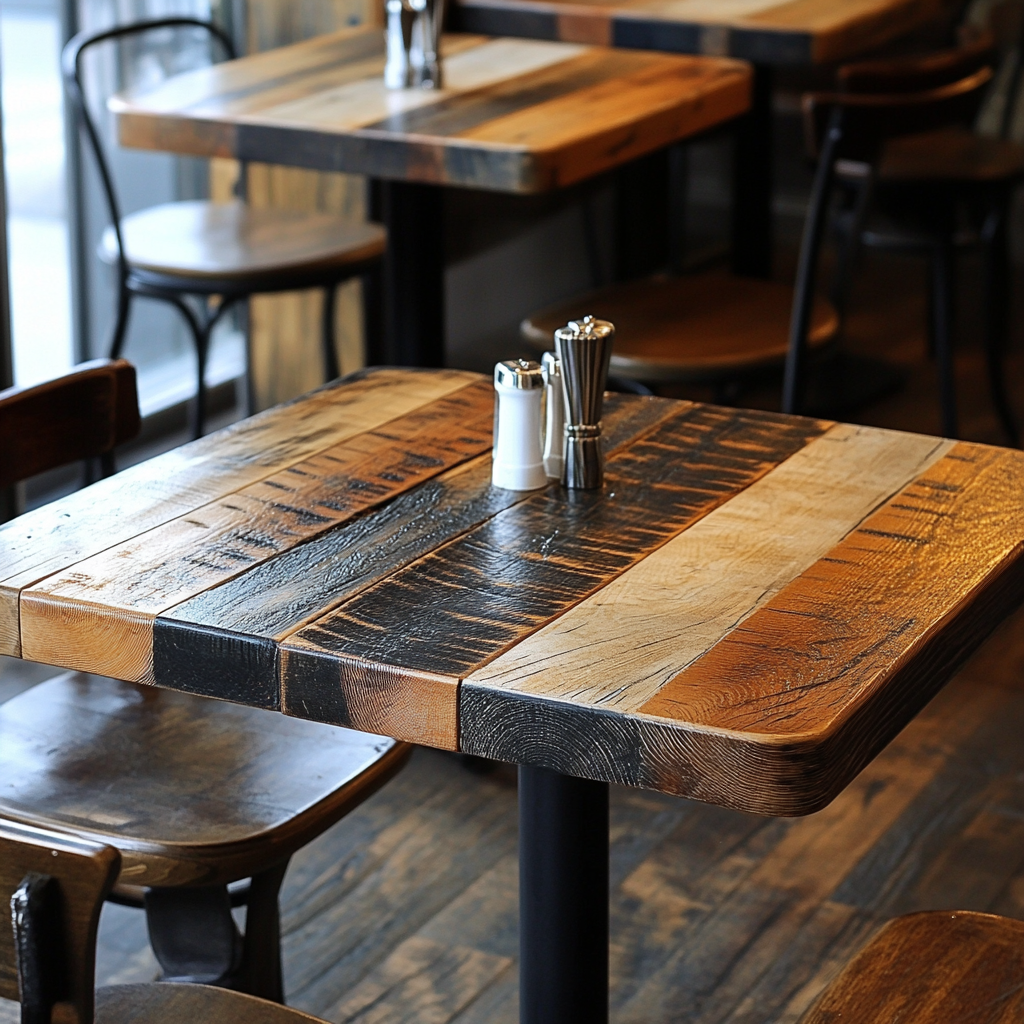
Wood table tops add warmth and sophistication. Walnut, oak, and ash create upscale atmospheres, while veneer tops offer a budget-friendly alternative. Although wood requires maintenance, its premium visual impact often justifies the investment.
2. Laminate Table Tops: Durable, Affordable, and Versatile
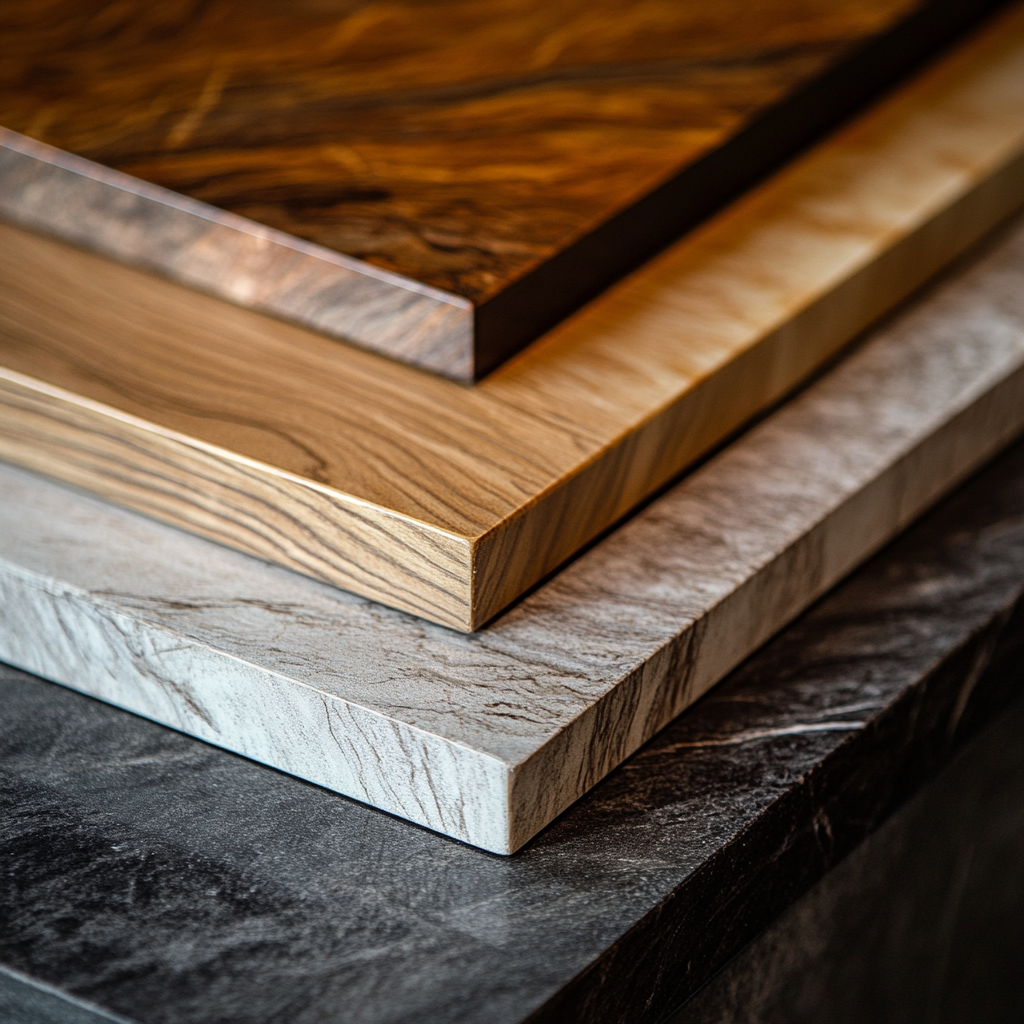
Laminate surfaces resist scratches, stains, and heat. They come in endless patterns that mimic real wood or stone. This makes laminate ideal for fast-casual restaurants that need reliable surfaces without high costs.
3. Marble Table Tops: Luxurious and High-End
Marble provides exceptional heat resistance and an upscale look unmatched by most materials. When properly sealed, it performs well in fine-dining or boutique concepts where visual impression matters most.
4. Choosing Based on Concept and Budget
Fast casual → Laminate
Modern bistro → Wood veneer or solid wood
Luxury dining → Marble or engineered stone
Coffee shops → Laminate + wood mix
Conclusion
Table tops are more than functional surfaces—they influence brand perception, guest comfort, and maintenance costs. By understanding material differences, restaurants can choose the perfect solution for long-term performance.


