High-traffic restaurants rely heavily on durable seating. Chairs go through thousands of uses each month, and the right choice can reduce replacements, improve guest comfort, and maintain a clean, consistent look throughout the dining room. A strong commercial dining chair must balance durability, comfort, and design without making the space feel crowded or outdated.
Material selection is the first major decision. Metal-frame chairs—often steel or aluminum—provide exceptional strength for restaurants that experience constant turnover and fast-paced service. Their stability and resistance to bending make them ideal for busy environments. Wooden chairs offer a warmer aesthetic and suit cafés, bakeries, and casual dining spaces, but they must use reinforced joints to withstand long-term commercial use.
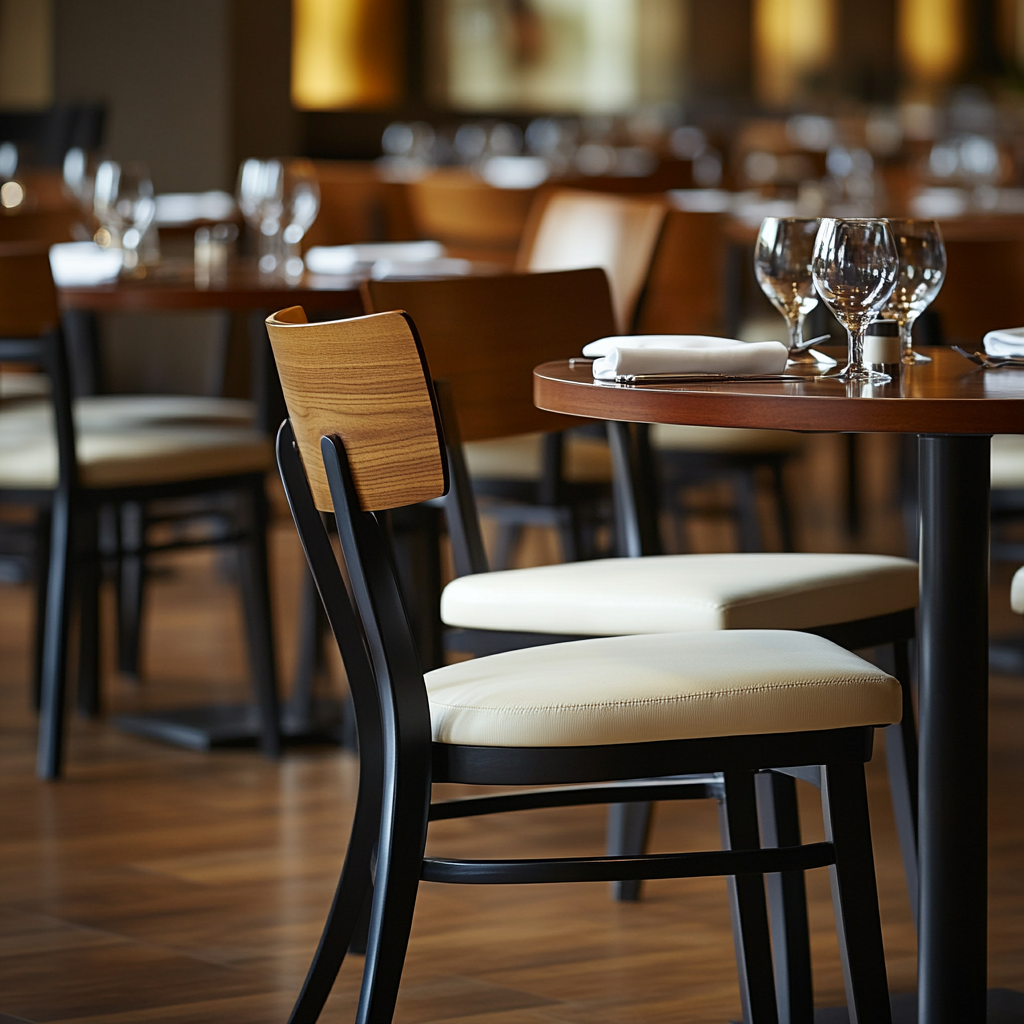
Comfort determines how long guests want to stay. High-density foam, supportive back shapes, and ergonomically curved seats make a noticeable difference, especially in restaurants where guests dine for extended periods. Upholstered chairs create a softer, more inviting feel, but the material must be commercial-grade to resist stains and maintain shape.
Upholstery choices matter in both function and design. Eco-leather and vinyl are easy to clean, making them suitable for family restaurants and high-turnover dining rooms. Woven fabrics or velvet offer a premium look, fitting fine-dining or boutique-style concepts, but they require more care. Color also contributes to durability—mid-tone shades hide wear better than very light or very dark tones.
Structural stability determines long-term performance. A well-built commercial chair uses welded frames, reinforced joints, balanced leg construction, and glide protectors to prevent wobbling and floor damage. These details may seem small, but they define how the chair performs after years of daily use. In high-traffic environments, small structural weaknesses become big problems quickly.
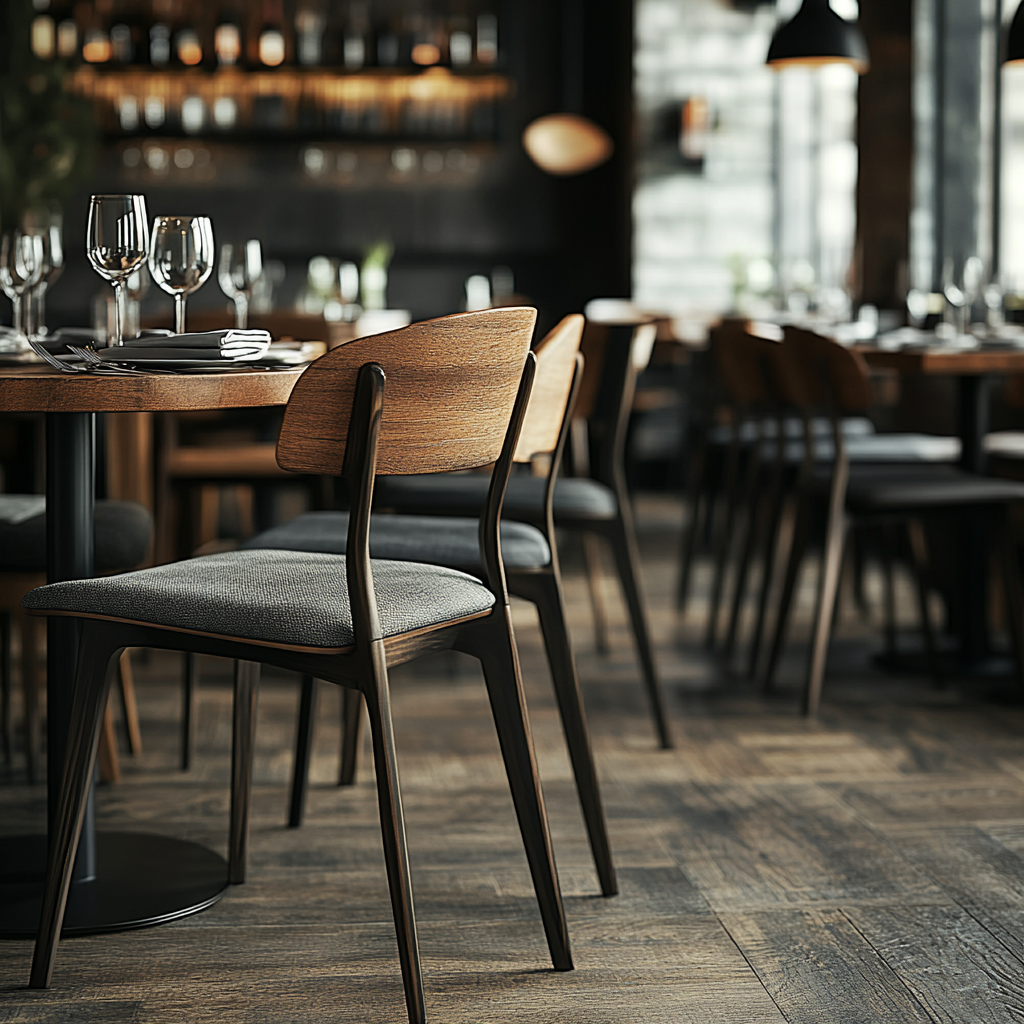
Maintenance efficiency is the final factor. Restaurants benefit from chairs that are easy to wipe, resistant to stains, and simple for staff to move during cleaning. Lightweight frames help during turnover, while stackable designs work well for flexible dining rooms and multi-purpose spaces.
Ultimately, the right commercial dining chair enhances both guest comfort and operational efficiency. When chosen thoughtfully, the seating becomes a long-term asset that supports the restaurant’s identity, workflow, and revenue goals.


