

Mob/Whatsapp:
+86-18098163178
E-mail:
sales19@rongroup.co


Restaurant furniture should support the way guests dine, how long they stay and how efficiently the space operates. Furniture suited to a fast-casual restaurant may feel inappropriate in fine dining, while oversized seating can limit capacity in a busy café.
Before making a selection, consider the restaurant’s service model, average dining time, target customers and desired atmosphere.
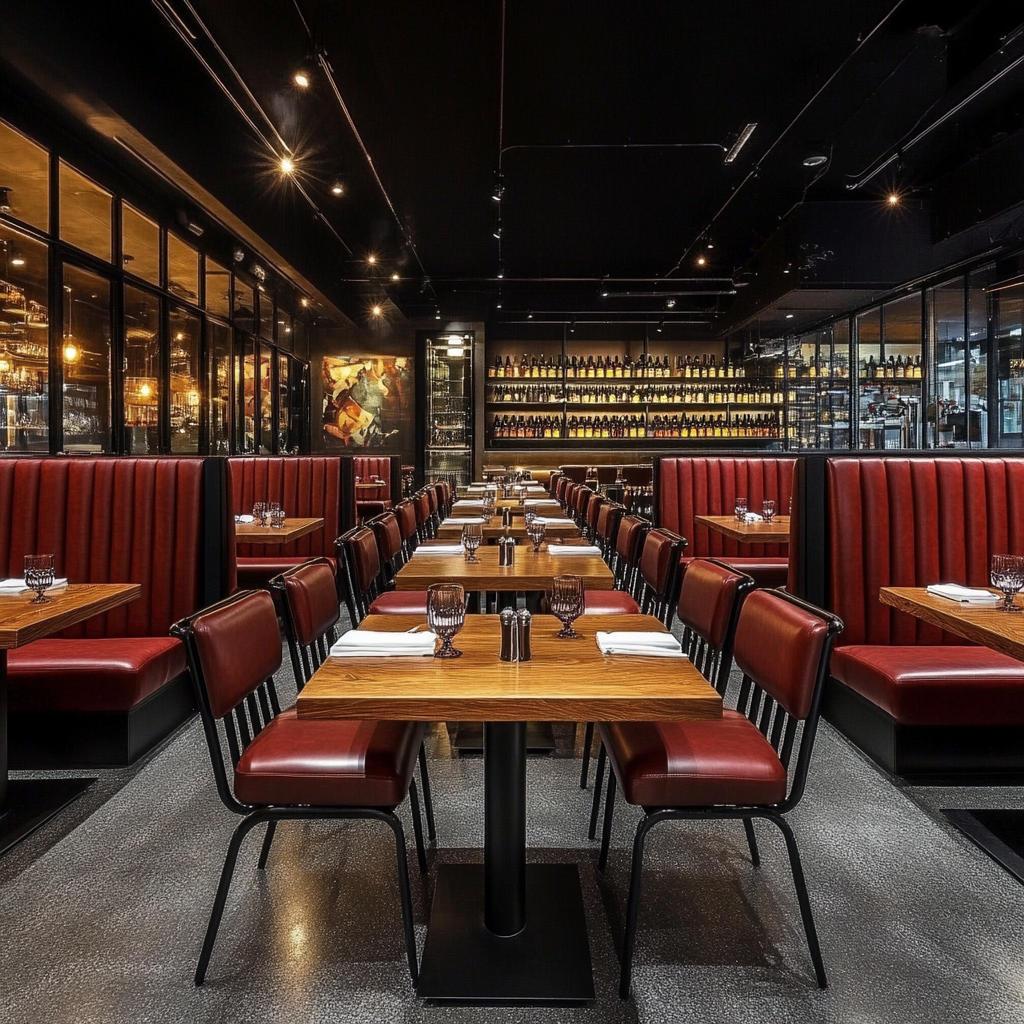
Fine Dining: Comfort and Refinement
Fine-dining guests generally remain seated longer, making comfort and finish quality especially important. Upholstered chairs with supportive backrests, well-proportioned tables and refined wood or metal finishes help create an elegant dining experience.
Wall-side booth seating can provide greater privacy, while tables should offer sufficient space for complete place settings, glassware and multiple courses.
Bistro: Character and Flexibility
Bistros need furniture that feels distinctive but approachable. Compact tables, wooden or woven chairs and upholstered banquettes can create a relaxed European atmosphere.
Two-person square tables are particularly practical because they can be used separately or combined for groups. A controlled mix of wood tones, upholstery and metal finishes adds character without making the interior look disorganised.
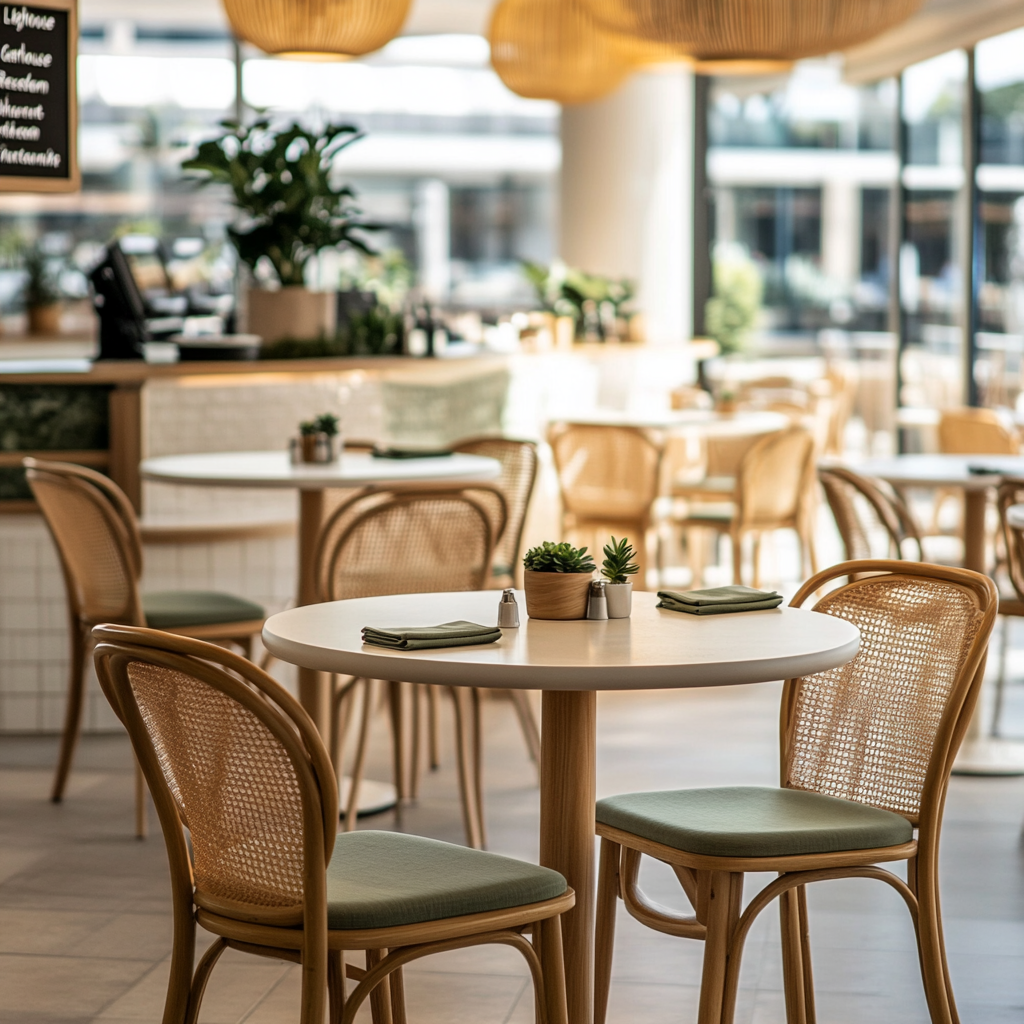
Café: Furniture for Different Lengths of Stay
Some café customers stop briefly, while others work, meet friends or order a full meal. A combination of lightweight chairs, compact dining tables, wall-side seating and window bar stools can accommodate these different needs.
Table dimensions must reflect the actual menu. Small coffee tables may suit drinks and pastries but become inconvenient when serving brunch or shared dishes.
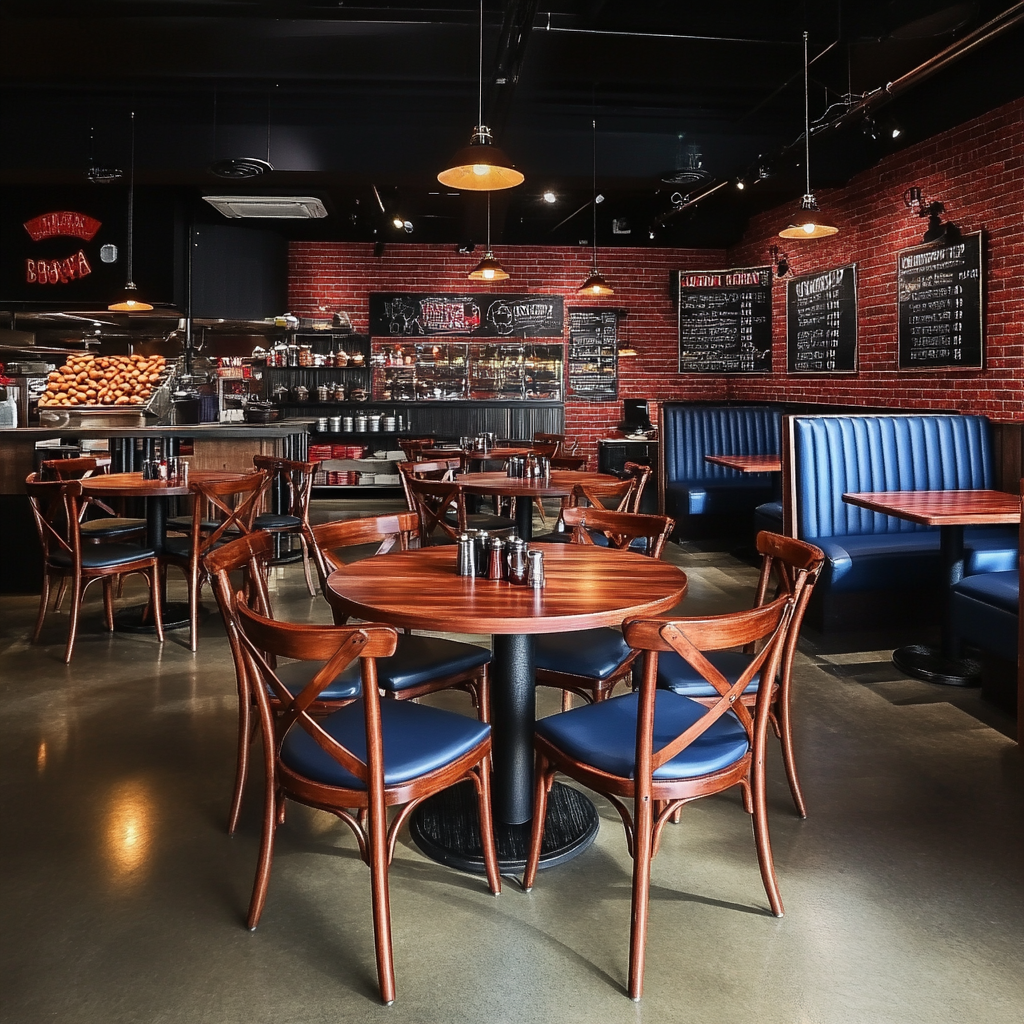
QSR and Fast-Casual: Efficiency First
Quick-service restaurants require durable furniture that supports high customer turnover and frequent cleaning. Compact tables, straightforward commercial chairs and fixed booth seating help maintain an organised dining area.
Flexible two-person tables are useful during changing service periods, while communal tables can accommodate both individuals and groups. In this setting, efficient space use and easy maintenance are more valuable than excessive decoration.
Steakhouse: Substantial and Private
Steakhouses usually benefit from deep wood tones, upholstered chairs and leather or performance-vinyl booths. High-back seating can create private dining zones, while stable chairs and generously sized tables support longer meals and larger place settings.
Furniture should feel substantial without restricting aisles or making the dining room appear crowded.
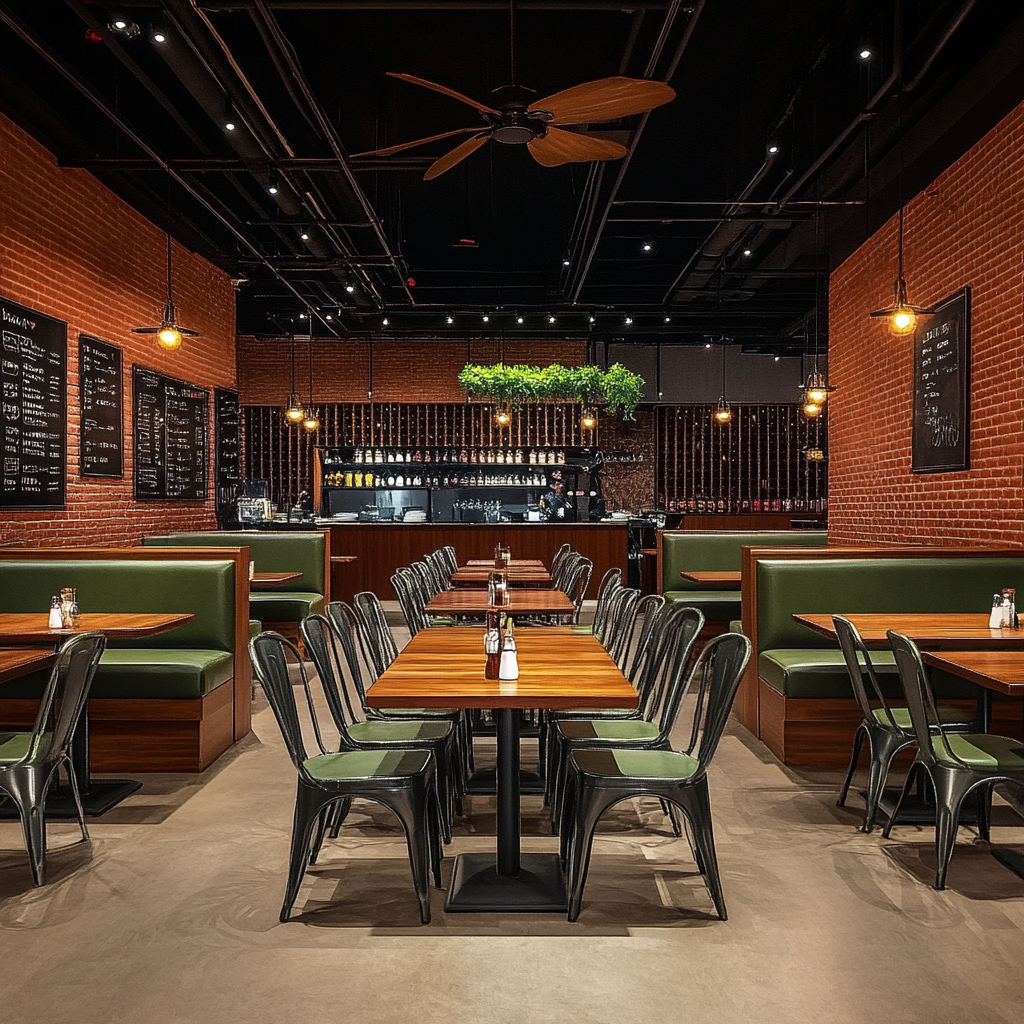
Buffet and Hotel Dining: Adaptable Layouts
Hotel and buffet restaurants often serve breakfast, events, groups and regular dining in the same room. Movable chairs and square or rectangular tables allow the layout to be adjusted when required.
Permanent banquettes can define the perimeter, leaving the central dining area flexible for different service periods.
Bar and Lounge: Multiple Seating Heights
Bars and lounges may combine bar stools, dining chairs, booths and lounge seating. Each type should correspond to a particular activity.
Bar stools must match the counter height and include stable footrests. Dining-height furniture supports meals, while lower lounge seating is better suited to drinks and social gatherings. Consistent colours and finishes help these different furniture types form one cohesive interior.
Conclusion
The right restaurant furniture is not determined by appearance alone. Tables, chairs, booths and bar seating should match the restaurant’s service style, customer behaviour and operational requirements.
RON GROUP provides coordinated commercial furniture solutions for fine dining restaurants, cafés, bistros, QSR chains, hotels and bars, with project-based options for dimensions, materials, colours and furniture combinations.


