Designing an efficient layout for chain hotel restaurants requires careful planning and consideration of workflow, seating flexibility, and the balance between aesthetics and functionality. By focusing on these key principles, you can create a restaurant environment that is both inviting for guests and efficient for staff, ultimately leading to a more successful and enjoyable dining experience.
Designing an efficient layout for chain hotel restaurants is crucial for maximizing both guest satisfaction and operational efficiency. A well-planned layout can enhance the dining experience, streamline service, and ultimately boost the restaurant's success. Here are three key principles to consider when designing an effective layout for a chain hotel restaurant.
Key Principles for Efficient Restaurant Layouts
Optimized Workflow
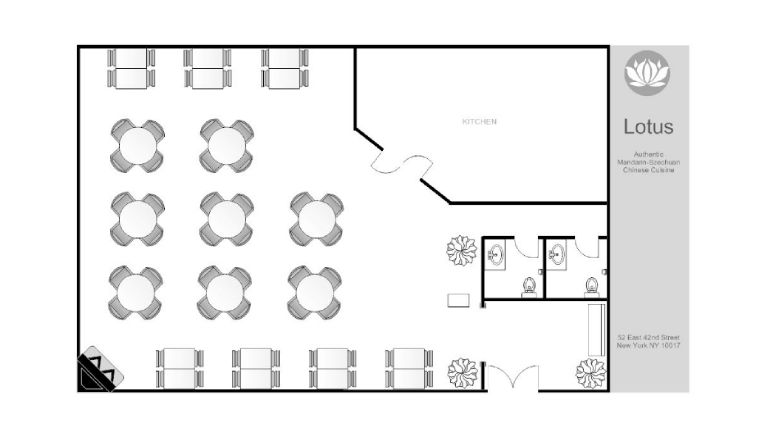
One of the most important aspects of an efficient restaurant layout is an optimized workflow. This involves ensuring that the kitchen, dining area, and service stations are strategically placed to minimize the distance staff need to travel. A well-designed workflow can reduce bottlenecks and enhance the speed of service. Key considerations include placing the kitchen close to the dining area, having clear pathways for servers, and organizing storage areas for easy access. An open kitchen design can also improve efficiency by allowing better communication between kitchen staff and servers.
Flexible Seating Arrangements
To accommodate different group sizes and maximize space utilization, incorporating flexible seating arrangements is essential. This can include a mix of tables for couples, families, and larger groups. Modular furniture that can be easily reconfigured is a great option for chain hotel restaurants. Additionally, consider the placement of seating to create a comfortable and inviting atmosphere. For instance, window seats and booths can provide a cozy and private dining experience, while larger communal tables can foster a social environment. Ensuring adequate space between tables also enhances comfort and accessibility for guests and staff.
Aesthetic and Functional Balance
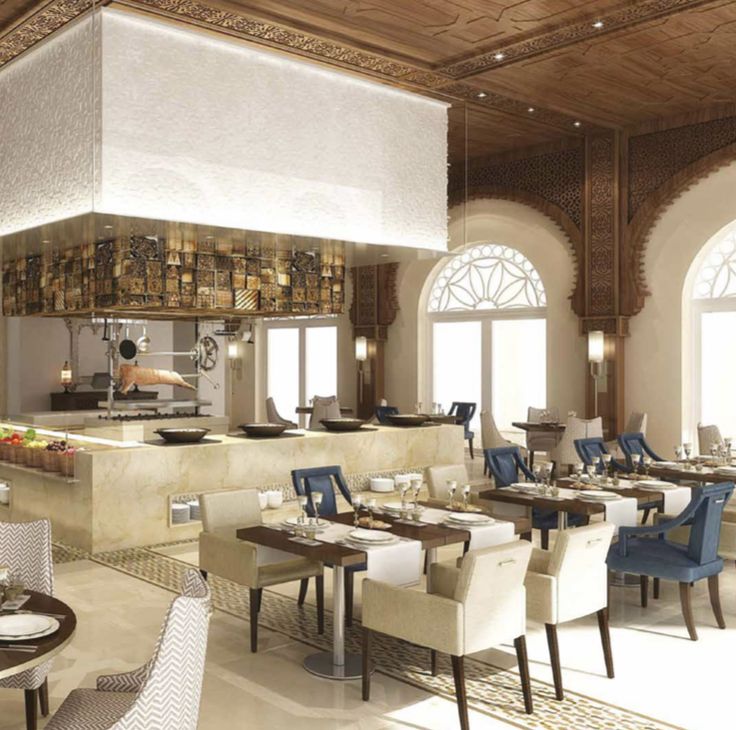
Achieving a balance between aesthetics and functionality is key to a successful restaurant layout. While the decor and design should reflect the brand identity of the hotel chain, it’s equally important to ensure that the space is practical for both guests and staff. Strategic lighting can create a welcoming ambiance and highlight specific areas, such as the bar or special dining zones. High-quality, durable materials should be used for furniture and surfaces to withstand heavy use while maintaining a stylish appearance. Incorporating elements like indoor plants or artwork can add to the visual appeal without compromising on space and functionality.
Conclusion
Designing an efficient layout for chain hotel restaurants requires careful planning and consideration of workflow, seating flexibility, and the balance between aesthetics and functionality. By focusing on these key principles, you can create a restaurant environment that is both inviting for guests and efficient for staff, ultimately leading to a more successful and enjoyable dining experience.
If you want to learn more about designing an efficient layout for your chain hotel restaurant, don’t hesitate to contact us today!


