Furniture isn’t just part of the décor—it affects seating capacity, guest retention, operating cost, and the overall brand impression. Yet most new restaurants treat it like a simple purchase instead of a long-term business asset. Here are the most common mistakes and what smart operators do differently.
1. Choosing Furniture Designed for Homes, Not Restaurants
Many first-time owners think “a chair is a chair,” until the first one breaks after two months of heavy use. Residential furniture isn’t built for 300+ sittings a day and often has no commercial warranty.
Better approach: Always source commercial dining furniture that’s certified for fire resistance, weight load, and abrasion.
2. Forgetting That Comfort = Revenue
An elegant chair with poor ergonomics may look good in a design moodboard but will make guests leave sooner, lowering average ticket size. The best-performing restaurants test seating the same way chefs test recipes—practically, not visually.
3. Buying Before Measuring
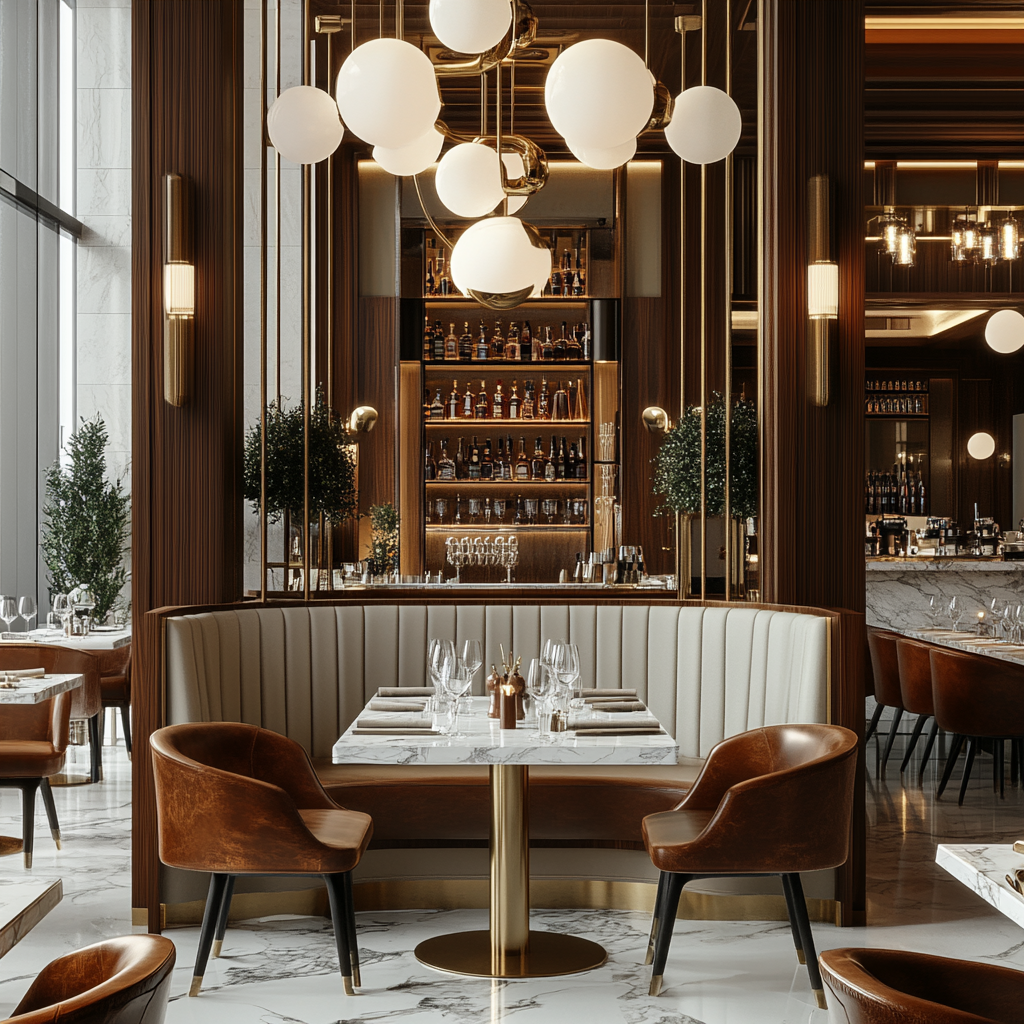
It’s common to see beautifully furnished spaces with 20% fewer seats than they could have had, simply because tables were bought before layouts were planned. Lost seating = lost revenue per square meter.
Smart operators start with layout planning, not catalog browsing.
4. Using the Wrong Materials in the Wrong Environment
Wood tabletops in hotpot restaurants, velvet chairs in seafood venues, fabric booths in family dining—these choices age quickly and cost more in cleaning and replacement.
Sintered stone, PU leather, and powder-coated steel now dominate durable restaurant furniture because they survive spills, heat, humidity, and sanitizing chemicals.
5. Mixing Styles Without a Brand Story
Not every restaurant needs to look like a Pinterest board. A mismatched set of chairs, colors, and textures signals “cheap fit-out” even when it wasn’t.
The most memorable restaurants follow a material narrative—whether it’s brass + walnut, or rattan + stone—so the space feels intentional, not random.
6. Underestimating the Power of Booth Seating
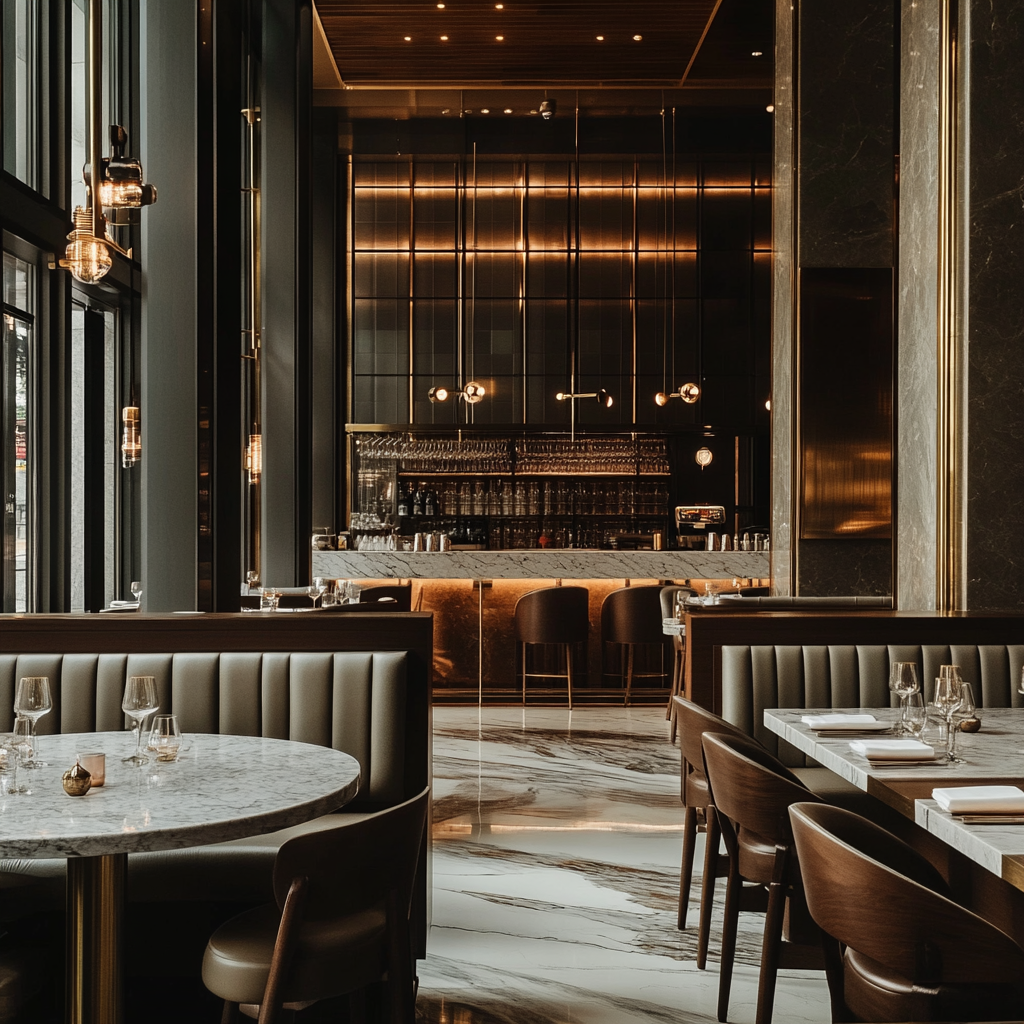
Booths are not just a seating type—they’re a psychological comfort zone. They reduce noise, increase privacy, and are almost always the first seats to be requested or reserved.
Hotels, cafés, and casual dining brands use booth seating to turn dead wall space into high-value seats.
7. Focusing on Price Instead of Lifespan
A cheap chair isn’t cheap if it needs replacing twice in three years. The real cost of furniture is measured in durability, not the invoice total.
Modular commercial chairs with replaceable seat pads or upholstery last longer, reduce waste, and cut replacement costs by 40–60% over time.
Buy for lifespan, not for discount—your maintenance budget will notice.


