

Mob/Whatsapp:
+86-18098163178
E-mail:
sales19@rongroup.co


Solid wood restaurant chairs have long been a preferred choice among restaurateurs who value durability, aesthetics, and the inviting atmosphere that natural materials bring to a dining space. While many alternatives exist on the market, few can match the combination of strength, repairability, and timeless character found in well-crafted solid wood seating. Selecting the right chairs, however, requires more than choosing a wood species or design you like; it involves understanding how different materials, construction methods, finishes, and ergonomics work together to create a piece of furniture capable of withstanding years of heavy commercial use.
1. Why Solid Wood Remains a Benchmark in Commercial Seating
Although metal and plastic chairs have carved out their place in the industry, solid wood continues to stand out because it offers a level of warmth, natural beauty, and structural integrity that is difficult to replicate. When properly constructed and finished, wood chairs can endure constant movement, shifting weight, and the day-to-day demands of busy restaurants. Unlike composite materials, solid wood ages gracefully and can be refinished or repaired rather than replaced, making it a long-term investment rather than a disposable purchase. For restaurants seeking to build a cohesive brand identity — steakhouses, boutique cafés, rustic dining rooms, or contemporary bistros — wood chairs contribute significantly to creating a memorable and inviting environment.
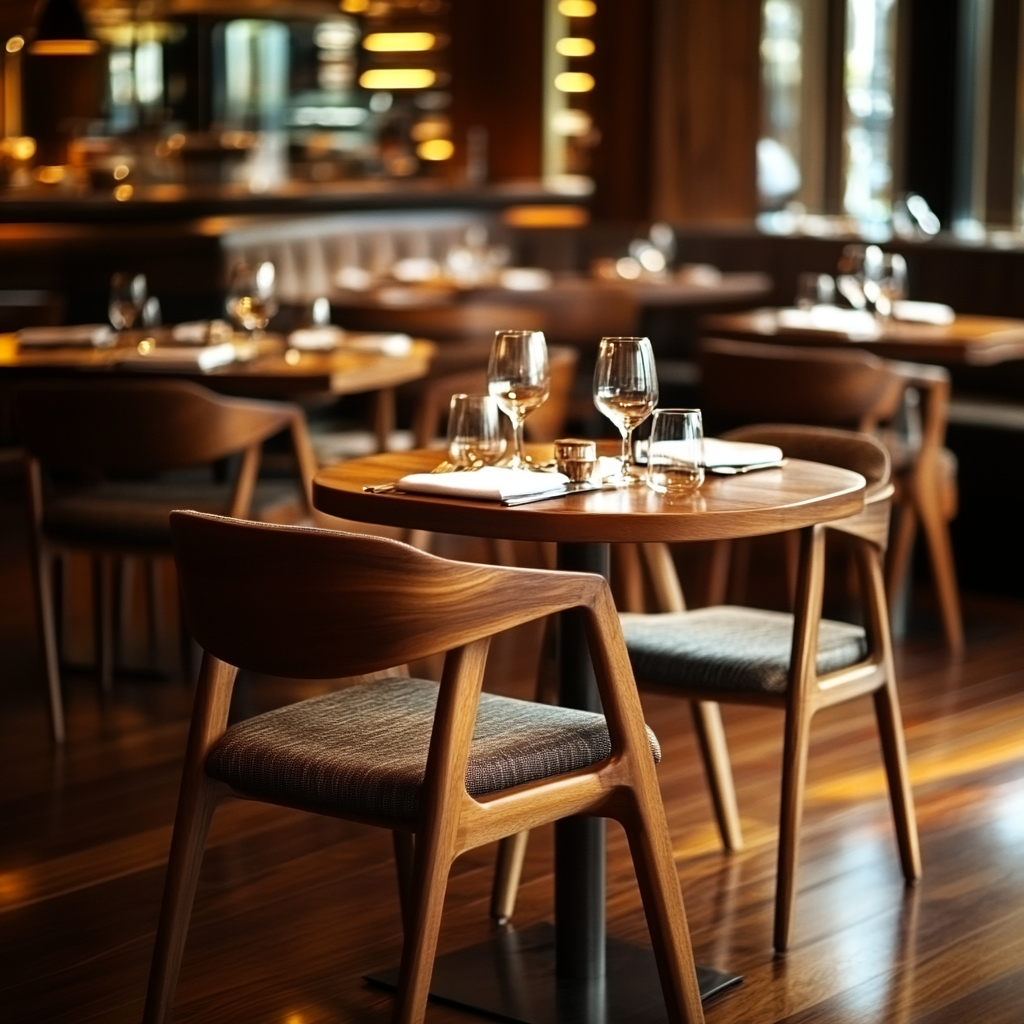
2. Choosing the Right Wood Species
Not all wood performs equally in commercial environments. Hardwoods such as walnut, oak, beech, and ash are commonly favored, each for slightly different reasons. Walnut, for instance, has a rich and sophisticated grain that appeals to upscale dining concepts, while oak offers substantial strength and a classic texture that fits both traditional and modern interiors. Beech is often chosen for its ability to bend without losing stability, making it ideal for curved backrests and bentwood chairs. Ash, with its light tone and striking grain, suits Scandinavian and minimalist décor. Softer woods like pine or poplar may be appropriate for residential use but rarely hold up under the stress of commercial seating due to their susceptibility to dents and wear.
3. Construction Quality Matters More Than Wood Species
A chair’s longevity depends heavily on how it is built. In the context of commercial furniture, joinery is arguably the most important factor. Mortise-and-tenon joints, reinforced corner blocks, and solid cross-supports contribute significantly to structural stability and prevent wobbling over time. Conversely, chairs that rely solely on glue, thin metal brackets, or fasteners without proper reinforcement tend to loosen quickly. When evaluating a chair, subtle indicators — such as the thickness of the legs, the weight balance of the frame, and the soundness of the joints when the chair is gently shifted — often reveal whether it has been engineered for long-term performance.
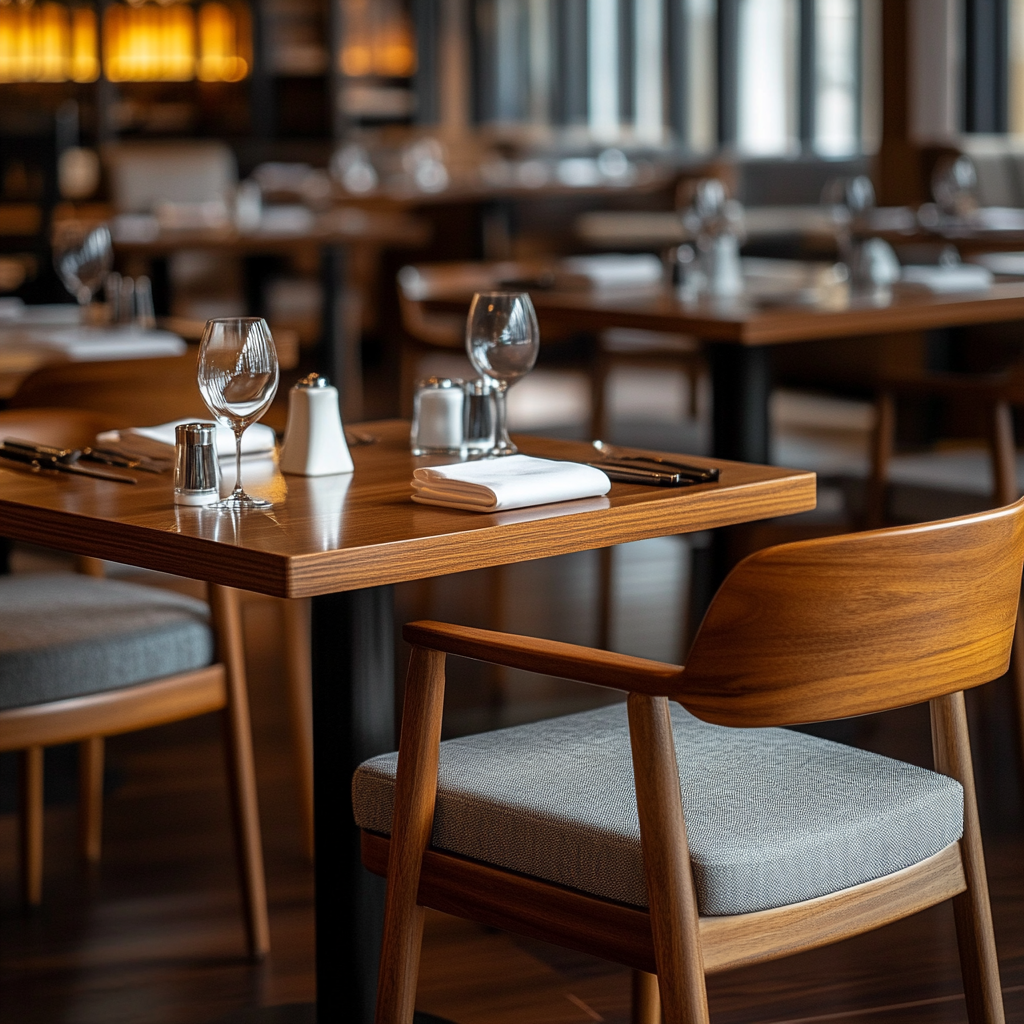
4. Upholstery Options and Their Practical Implications
Many restaurants prefer upholstered seats for added comfort, but upholstery choices should be made with both aesthetics and maintenance in mind. Commercial-grade vinyl, for example, provides an excellent balance of durability and ease of cleaning, making it suitable for high-turnover establishments or family dining environments. Genuine leather offers a luxurious appearance and ages beautifully with use, though it requires thoughtful care and is best placed in higher-end dining spaces. Fabric or velvet brings softness and elegance but performs best in controlled environments where spills and heavy wear are less common. Ultimately, upholstery should match both the restaurant’s operating conditions and its overall design language.
5. Ergonomics That Enhance Guest Comfort
A well-designed chair contributes to the dining experience just as much as the food and service. Seat height, backrest angle, lumbar support, seat depth, and overall frame stability play a crucial role in determining guest comfort. Chairs with slightly curved backrests and proportionate seat dimensions tend to accommodate a wide range of guests and encourage a natural, relaxed posture that allows diners to enjoy their meal without discomfort. In commercial spaces where table turnover matters, ergonomics must strike a balance between comfort and practicality.
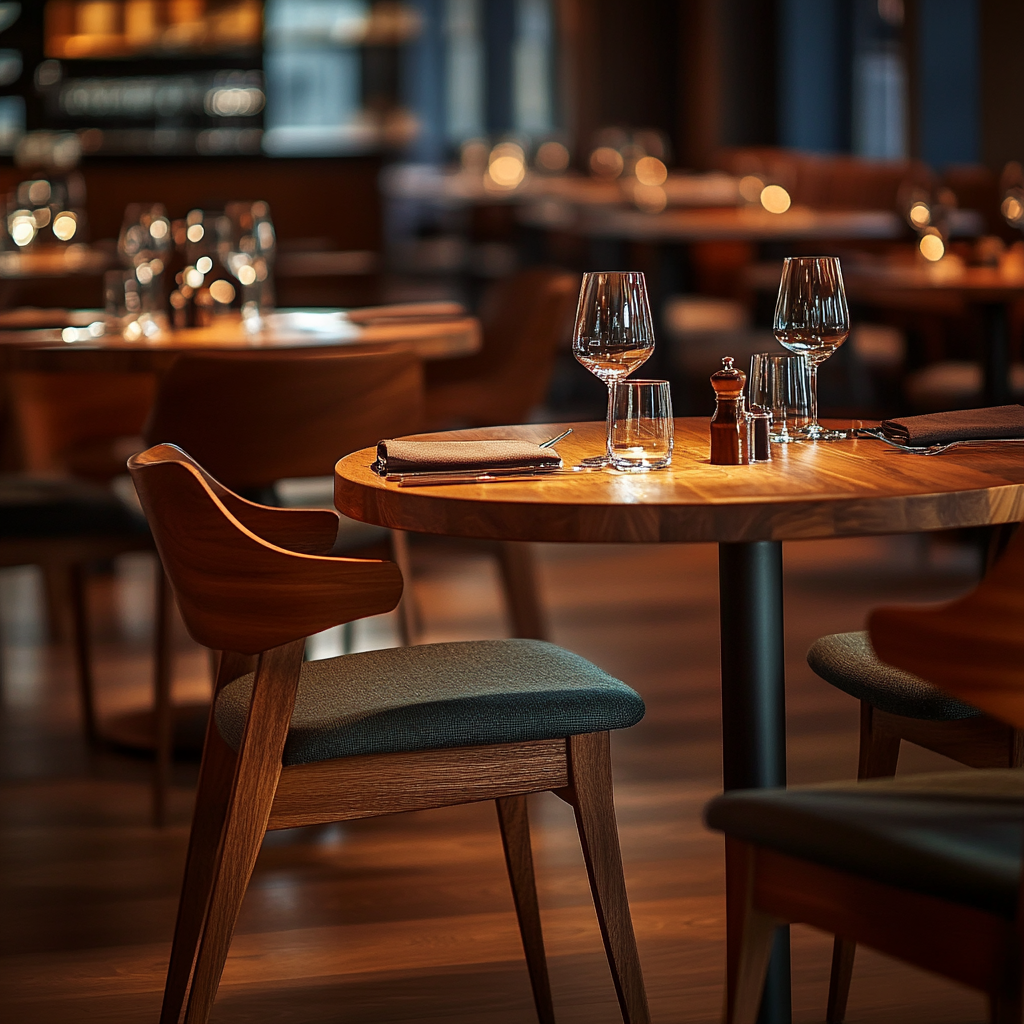
6. The Importance of a Durable Finish
Even the strongest wood will deteriorate quickly if it is not protected by a high-quality finish. Commercial finishes such as polyurethane (PU), nitrocellulose lacquer, or advanced water-based coatings shield the wood from moisture, cleaning chemicals, and surface abrasion. Restaurants should look for finishes that are smooth, evenly applied, and designed specifically for high-traffic environments. Inferior coatings tend to peel or fade, exposing the wood to potential damage.
Conclusion
Selecting solid wood restaurant chairs involves a thoughtful evaluation of materials, craftsmanship, ergonomics, and protective finishes. When these elements align, the result is a piece of furniture that not only withstands the demands of daily restaurant operations but also enhances the establishment’s atmosphere and brand identity. By investing in well-constructed wood chairs, restaurant owners ensure long-lasting value and an elevated dining experience for their guests.


