Designing a balanced and efficient restaurant layout requires far more than selecting attractive individual pieces of furniture. A truly successful seating strategy integrates booths, chairs, and tables into a unified system, where each component contributes to smooth circulation, guest comfort, and the restaurant’s overall design identity. When coordinated strategically, these elements create a dining environment that feels intentional, welcoming, and operationally efficient.
1. The Value of a Comprehensive Seating Strategy
Different seating types fulfill distinct roles in a restaurant. Booths provide privacy and help define spatial boundaries, while chairs introduce flexibility needed for dynamic customer flow. Tables establish the rhythm of the floor plan by dictating spacing, alignment, and guest capacity. A cohesive seating system ensures these elements complement rather than compete with one another, resulting in a dining room that feels balanced and easy to navigate.
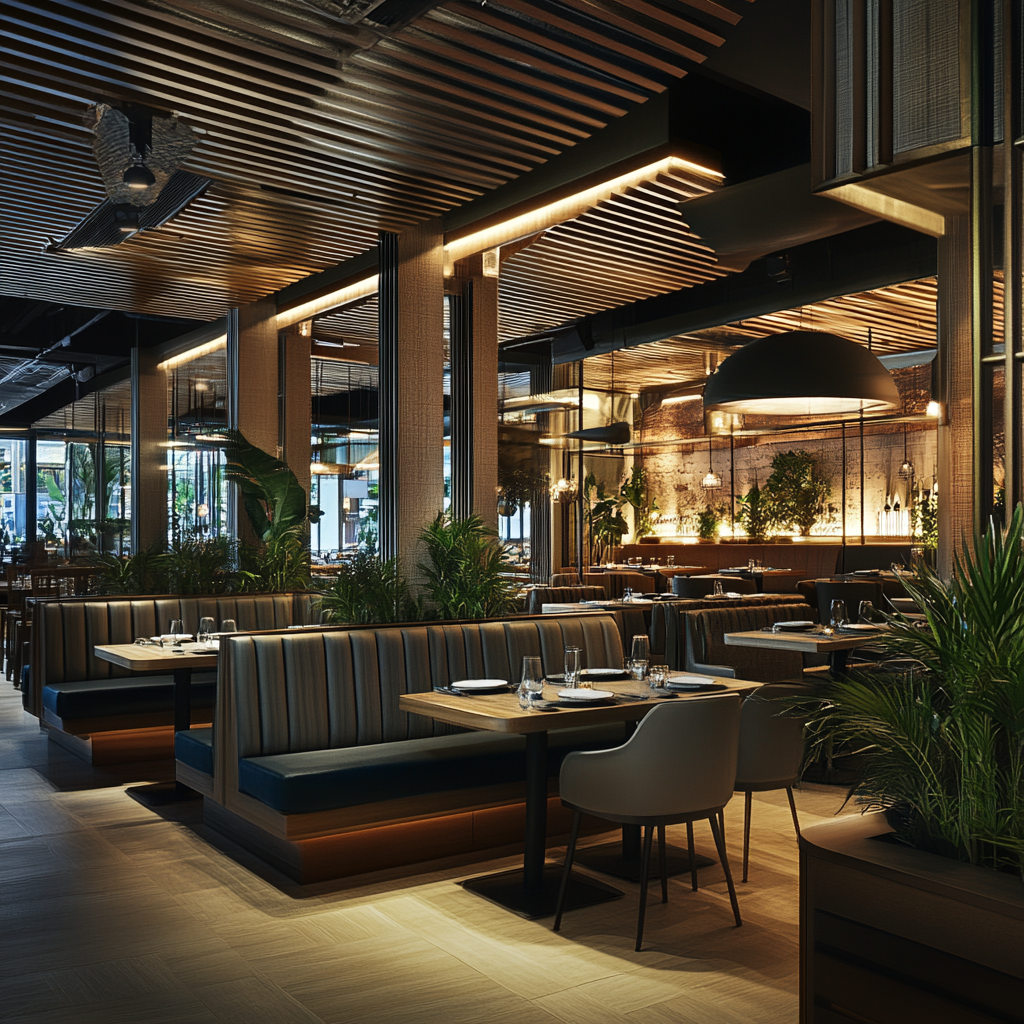
2. Coordinating Materials, Textures, and Forms
Visual continuity strengthens brand identity. When booths, chairs, and tables share coherent material palettes — such as walnut wood, matte black metal, or coordinated upholstery — the overall environment feels harmonious and professionally curated. Consistency in geometry, silhouette, and finish enhances the perception of quality and elevates the guest experience. This approach is especially important in commercial environments where first impressions directly influence perceived value.
3. Enhancing Flow and Operational Efficiency
Effective layout planning requires careful attention to aisle widths, table distances, booth placement, and circulation paths. Booths positioned along perimeter walls create structural order, freeing central space for flexible seating. Chairs arranged around appropriately sized tables ensure guests and staff can move without obstruction. When seating is arranged with flow in mind, restaurants operate more smoothly, reducing service delays and creating a more relaxed dining experience for guests.
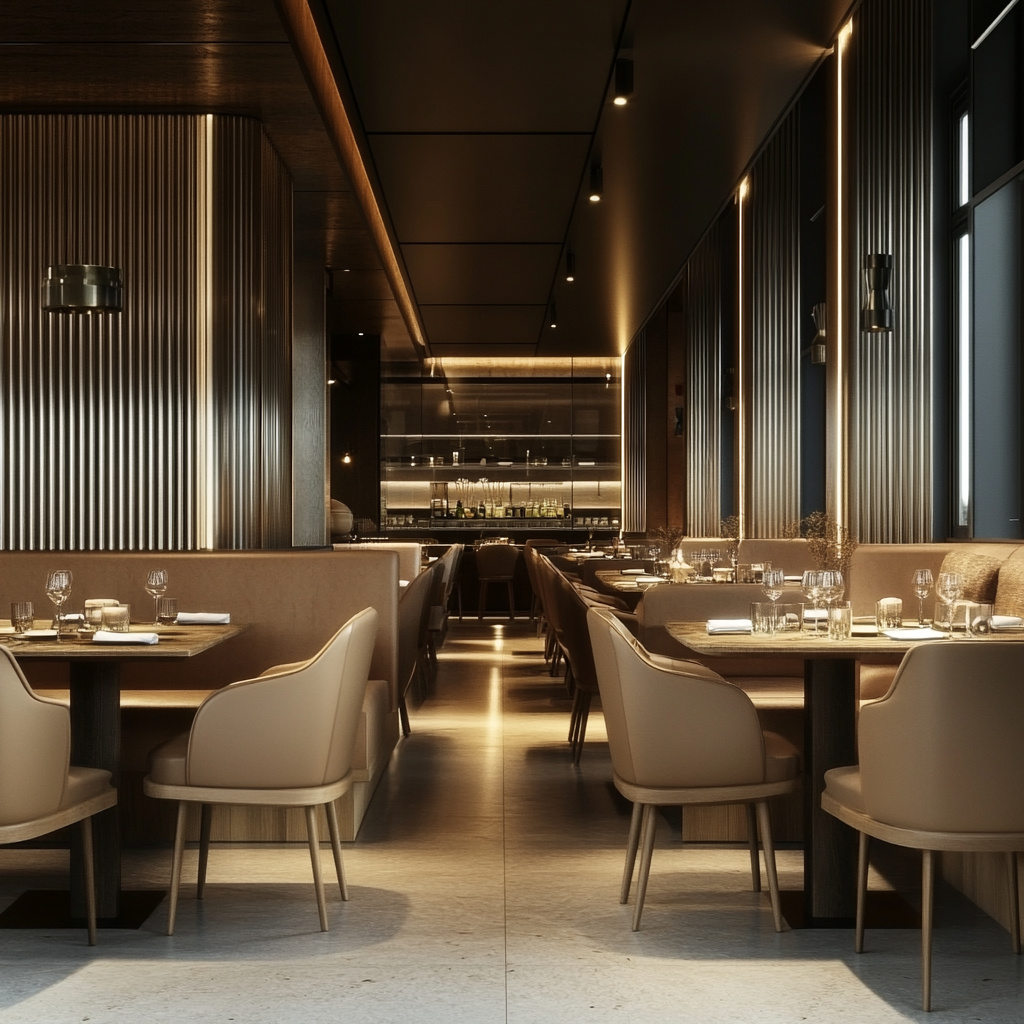
4. Blending Comfort and Capacity
Restaurants must balance the desire for high seating capacity with the necessity of guest comfort. Ergonomic chairs, properly sized tables, and thoughtfully designed booths contribute to longer, more enjoyable dining experiences. At the same time, modular configurations allow operators to adapt quickly to varying group sizes, supporting higher table turnover and improved revenue potential.
Conclusion
A complete restaurant seating solution is not simply a collection of furniture — it is a purposeful system designed to enhance comfort, improve operational efficiency, and reinforce visual identity. By thoughtfully combining booths, chairs, and tables, restaurants create dining environments that feel cohesive, intuitive, and memorable. This integrated approach strengthens both the functional and aesthetic qualities of the space, leading to improved guest satisfaction and stronger brand presence.


