

Mob/Whatsapp:
+86-18098163178
E-mail:
sales19@rongroup.co


In restaurant operations, furniture decisions are often made under budget pressure. Initial price becomes the primary comparison point, while long-term performance is treated as an afterthought.
However, experienced operators understand that restaurant furniture lifecycle cost—not unit price—is what determines profitability over time.
Purchase Price Is Only a Fraction of Restaurant Furniture Cost Over Time
The upfront price of furniture represents only a small portion of restaurant furniture cost over time.
Across a typical operating cycle, additional costs include:
Repairs and part replacements
Upholstery failures and rework
Labor for removal and installation
Revenue loss during downtime
When these factors are ignored, what appears “affordable” often becomes expensive within the first few years.
Cheap Restaurant Furniture and the Hidden Cost of Failure
Cheap restaurant furniture typically fails at predictable points: joints loosen, finishes wear through, and cushioning collapses. Each failure triggers costs that are rarely accounted for at the time of purchase.
More importantly, inconsistent furniture condition affects guest perception. Uneven seating quality undermines brand credibility long before the furniture is fully unusable.
Commercial Restaurant Furniture Is Built for Repetition, Not Display
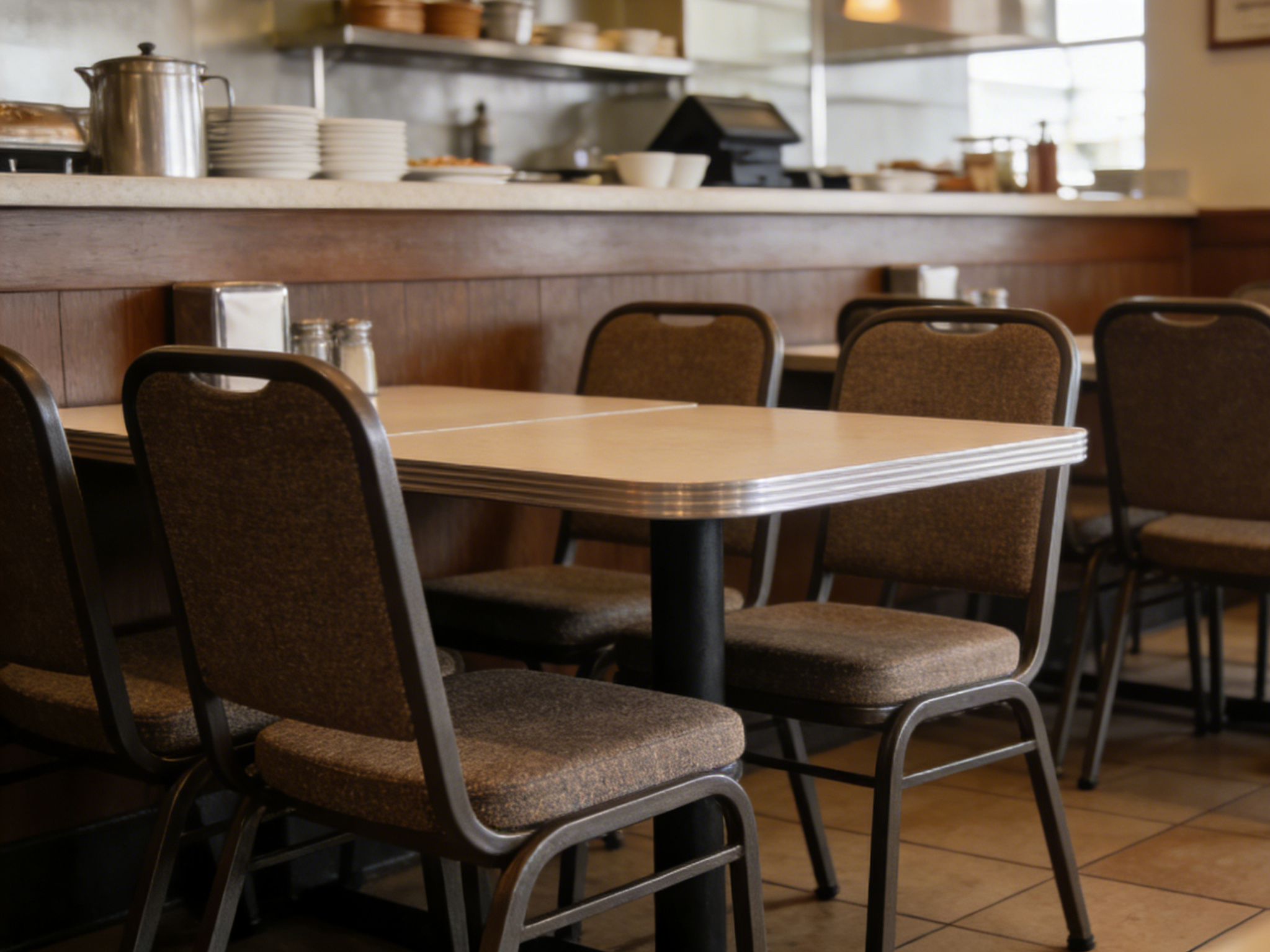
High-quality commercial restaurant furniture cost more upfront because it is engineered for continuous use. Reinforced frames, commercial-grade upholstery, and standardized components are designed to withstand daily stress.
Durability is not about luxury—it is about maintaining performance under repeated load, cleaning, and movement.
Replacement Cycles Define Real Furniture Cost
The true cost difference between low-quality and durable restaurant furniture becomes clear when replacement cycles are compared.
Frequent replacement leads to:
Repeated purchasing and logistics costs
Inconsistent appearance across the dining room
Disruption to operations
Furniture that lasts twice as long often costs significantly less per year, even if its initial price is higher.
Restaurant Furniture Replacement Cost Is More Than the Item Itself
Restaurant furniture replacement cost includes far more than the furniture being replaced.
Hidden costs often include:
Installation labor
Temporary layout changes
Lost covers during replacement periods
In high-volume restaurants, even short disruptions translate directly into lost revenue.
Furniture as a Long-Term Restaurant Investment
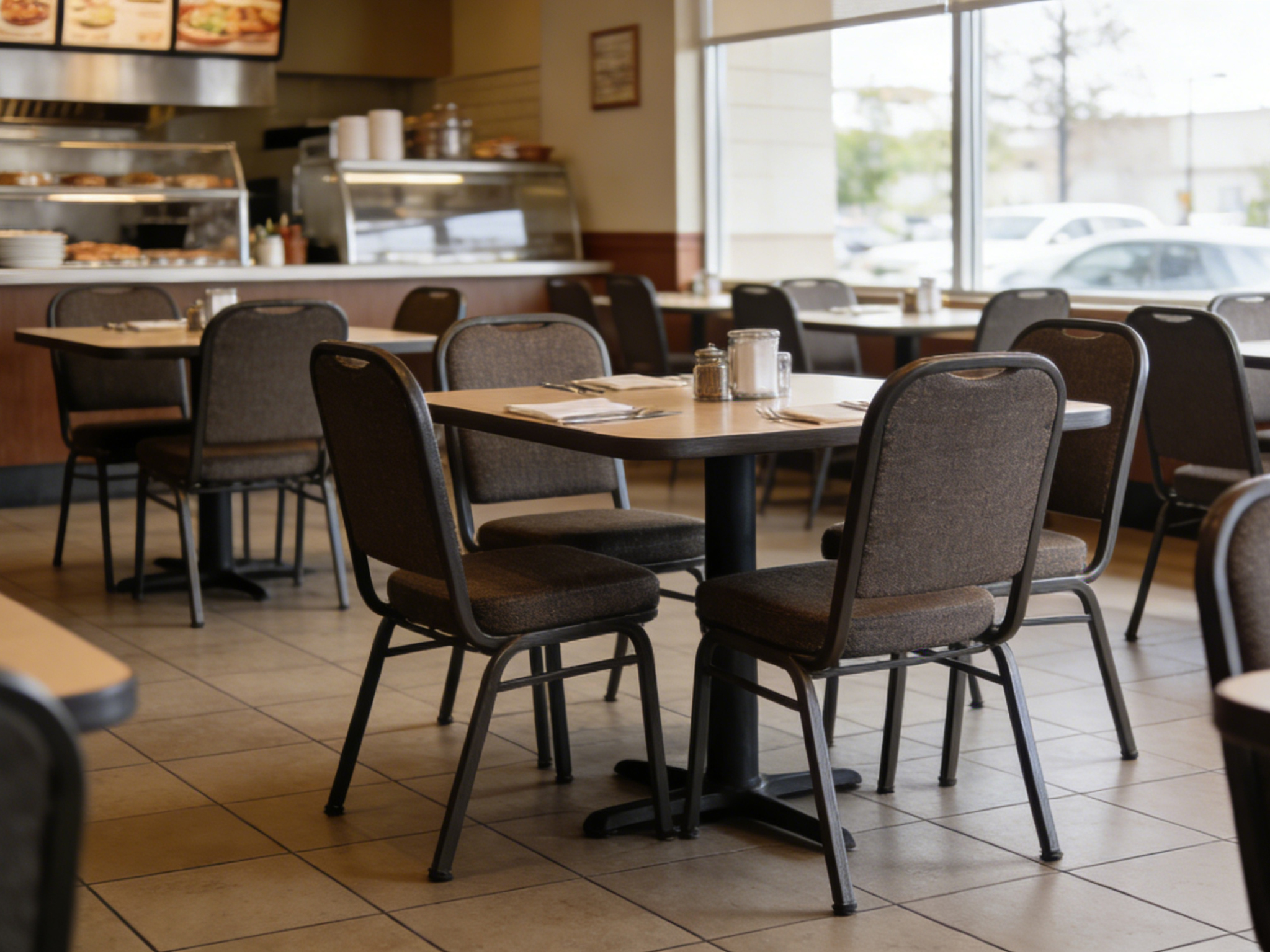
From an operational perspective, furniture should be treated as a restaurant furniture investment, not a consumable expense.
Investments prioritize:
Structural longevity
Consistent appearance over time
Compatibility with future expansions
This mindset aligns furniture decisions with long-term business planning rather than short-term budgeting.
Total Cost of Ownership Furniture in Restaurant Operations
When evaluated properly, total cost of ownership furniture favors durability, standardization, and reliable sourcing.
Operators who calculate cost per year rather than cost per unit consistently find that higher-quality furniture delivers better financial performance across its lifecycle.
Final Perspective
The cheapest furniture rarely costs the least.
Restaurants that focus on restaurant furniture lifecycle cost reduce replacement frequency, stabilize operations, and protect brand image over time. Durable furniture is not an indulgence—it is a practical strategy for controlling cost, consistency, and long-term profitability.


