

Mob/Whatsapp:
+86-18098163178
E-mail:
sales19@rongroup.co


As the weather warms up, outdoor dining areas such as patios, terraces, and rooftops become the ultimate magnets for attracting foot traffic and boosting restaurant revenue. However, the outdoor environment tests furniture far more severely than any indoor space ever could. Relentless sun exposure, sudden rain showers, and high-frequency table turnover all silently work to shorten the lifespan of your furniture.
Many restaurant owners make purchasing decisions based solely on aesthetics, only to find themselves facing faded, rusted, or structurally compromised furniture by the end of their first season. To help you avoid these costly decision-making errors, we have summarized three hidden pitfalls you must steer clear of when sourcing commercial-grade outdoor furniture.
1. Ignoring "False Promises" of UV Resistance and Weatherability
The Pitfall: Assuming that just because a material is labeled "outdoor," it is automatically sun-proof.
Many low-cost outdoor chairs are marketed as "waterproof," but under prolonged exposure to intense ultraviolet (UV) rays, inferior plastics become brittle, and low-end coatings begin to peel and flake.
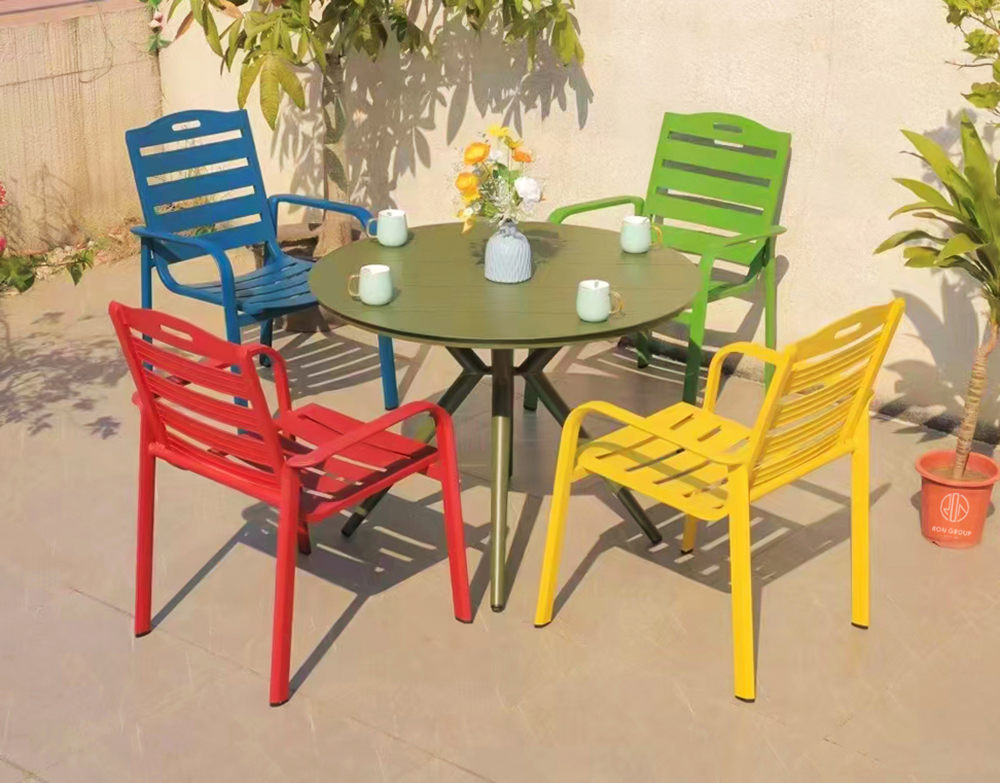
How to Avoid It: True commercial-grade outdoor furniture should come with verified UV-resistant properties. If you choose metal furniture, make sure it features a professional outdoor powder coating. This specialized finish not only prevents fading but also creates a reliable barrier against moisture to prevent rust. For woven furniture, prioritize High-Density Polyethylene (HDPE) synthetic wicker over cheap PVC alternatives.
2. Overlooking the Balance Between "Wind Resistance" and "Self-Weight"
The Pitfall: Buying furniture that is either too light and blows away, or too heavy to move.
In open terraces or rooftop dining areas, high winds are the ultimate silent killer of furniture. Featherweight aluminum chairs can become serious safety hazards or sustain heavy damage when caught in sudden heavy gusts.
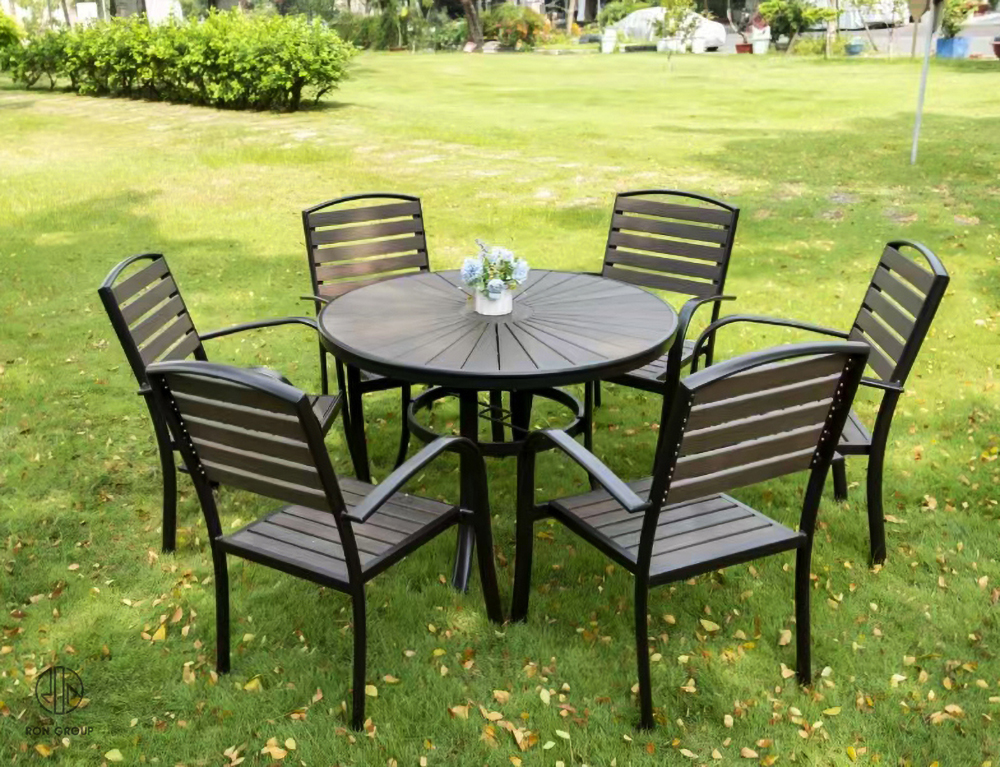
How to Avoid It: Excellent commercial outdoor tables should be equipped with heavy-duty bases, typically constructed from cast iron or weighted solid aluminum alloy. When selecting chairs, look for designs that offer balanced self-weight and a stable, low center of gravity. Additionally, prioritize table tops with excellent drainage designs—such as slatted tops or high-quality faux wood—to prevent standing water from damaging the structure after rain.
3. Sacrificing "Storage Efficiency" and "Maintenance Costs"
The Pitfall: Purchasing bulky furniture that cannot be stacked or requires overly complex maintenance.
Outdoor dining areas often require staff to clear the floor quickly at closing time or during sudden severe weather. If your chairs cannot be stacked, it will drastically increase staff workload and put immense pressure on your storage space.
How to Avoid It: Stackable is an absolute must-have attribute for commercial outdoor chairs. Furthermore, analyze the long-term cleaning costs: prioritize materials that can be easily restored to a brand-new look with just basic soap and water. Avoid untreated natural softwoods that require regular oiling or delicate, complex maintenance to minimize ongoing labor costs.
Conclusion
Investing in high-quality outdoor furniture is, in essence, investing in your restaurant's first visual impression and your long-term operating profit margins. By steering clear of these common material and design traps, you will not only elevate the dining comfort of your guests but also ensure your patio maintains its premium look for many quarters to come.


