

Mob/Whatsapp:
+86-18098163178
E-mail:
sales19@rongroup.co


Restaurant furniture is one of the first things guests physically experience when they enter a dining space. They feel the chair, the table height, the aisle spacing, and the overall comfort long before they think about whether the furniture was expensive or custom-made.
Here are seven common restaurant furniture mistakes owners should avoid before opening, renovating, or upgrading a dining space.
1. Choosing Furniture Only Because It Looks Good
A chair, table, or booth may look attractive in photos, but restaurants need furniture that can handle long hours of use, repeated cleaning, frequent movement, and customer contact. Good restaurant furniture should be judged by design, durability, comfort, and maintenance together, not by appearance alone.
2. Using Tables That Do Not Match the Menu
Table size should match the way food is served. Restaurants serving shared dishes, hot pot, barbecue, seafood, steak meals, or full table settings need enough tabletop space for plates, drinks, sauces, and serving items. A good restaurant table should make the meal feel comfortable, not crowded or inconvenient.
3. Ignoring Chair Comfort
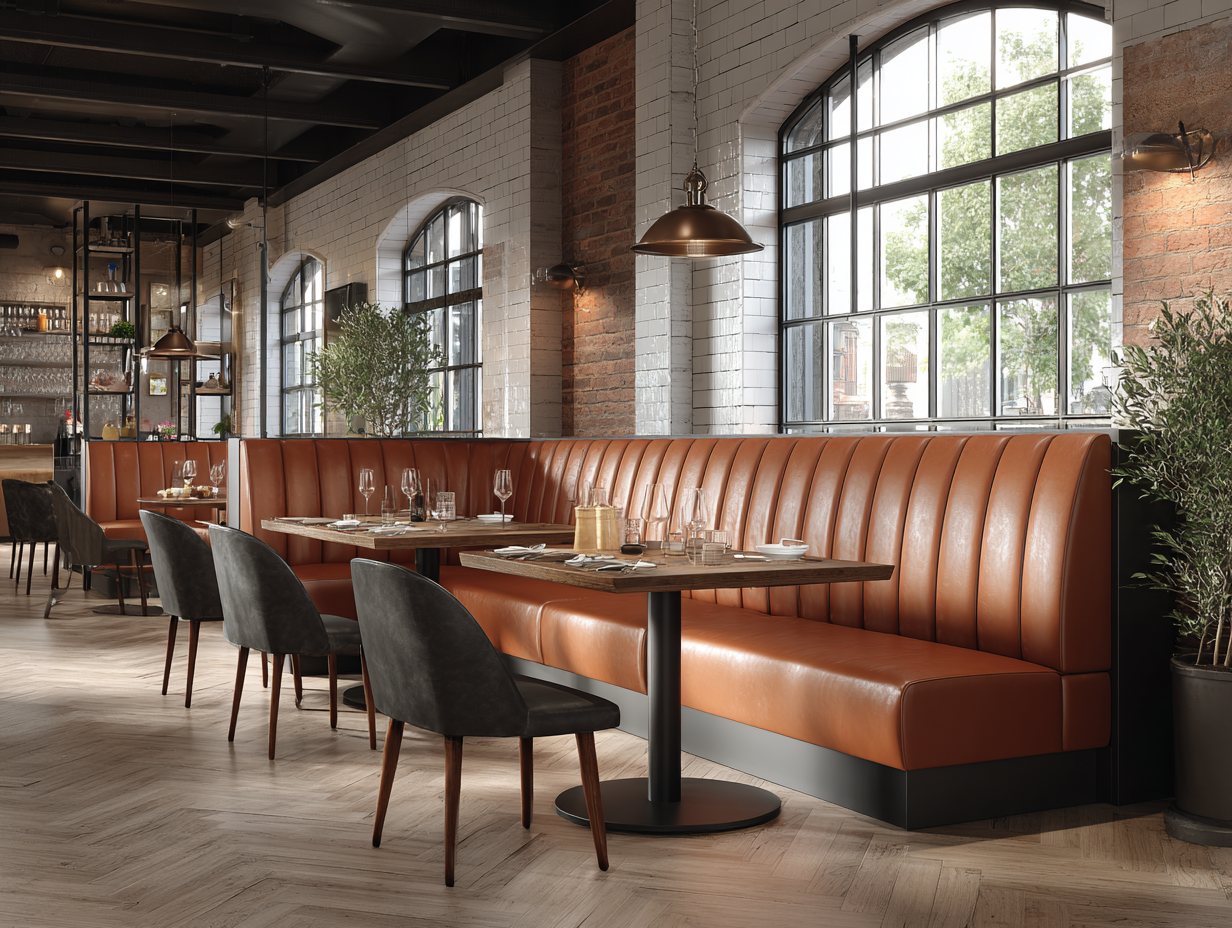
Guests may not complain directly about an uncomfortable chair, but they will feel it throughout the meal. A fast casual restaurant may need compact easy-clean chairs, while a hotel dining room, bistro, café, or steakhouse may need softer seating for longer visits. The chair should match how long guests are expected to stay.
4. Placing Too Much Furniture in the Dining Room
More seats do not always create more revenue. If tables and chairs are placed too close together, guests feel crowded, staff movement slows down, and the restaurant becomes harder to clean and reset. A good layout balances capacity with comfort, because every seat should be usable, not just counted.
5. Installing Booths Without Planning the Full Layout
Booth seating can improve comfort, privacy, and space efficiency, but only when it is planned correctly. Booth depth, height, table size, aisle width, and wall position should work together from the beginning. A booth is not just seating against a wall; it is part of the complete restaurant layout.
6. Choosing Materials That Are Difficult to Maintain
Restaurant furniture faces spills, stains, cleaning products, body contact, and daily wear. Materials that look beautiful but scratch, peel, stain, or absorb moisture too easily can make the dining room look old quickly. The best material is the one that fits the restaurant’s traffic level, cleaning routine, and brand positioning.
7. Buying Furniture Pieces Separately Without a Plan
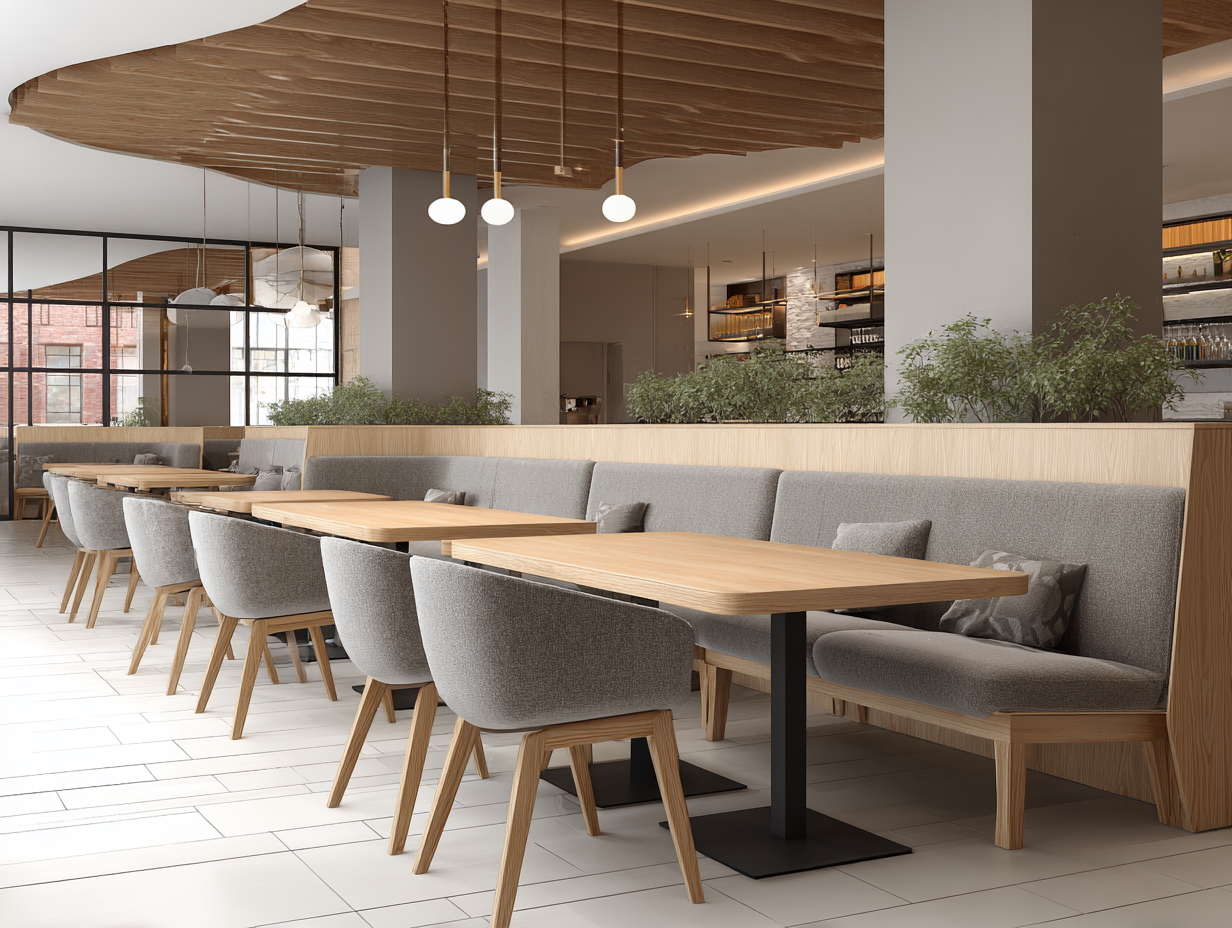
A dining room should not feel like a mix of unrelated products. Chairs must match table height, tables must work with booth depth, and materials should support the same visual style. When furniture is planned as one complete system, the restaurant looks more professional and operates more smoothly.
Why Better Furniture Planning Matters
Restaurant furniture affects guest comfort, staff movement, table turnover, cleaning efficiency, and long-term replacement costs. A poorly chosen chair, unstable table, crowded layout, or hard-to-maintain material may seem like a small issue at first, but it can become a daily problem once the restaurant opens.
For restaurant owners, the smarter approach is to plan furniture around the concept, menu, customer behavior, service flow, and long-term durability. This helps avoid expensive mistakes before they affect the guest experience.
Conclusion
Restaurant furniture does more than fill the dining room. It shapes how guests sit, how staff move, how the space feels, and how long the furniture lasts.
At RonGroup, we help restaurants, cafés, hotels, bars, and hospitality brands develop custom restaurant furniture solutions that combine design, durability, comfort, and real operational value.
Customers may come for the food, but the furniture helps decide how long they stay and whether they want to return.


