

Mob/Whatsapp:
+86-18098163178
E-mail:
sales19@rongroup.co


Creating a functional and visually appealing dining space in a small restaurant can be a challenging task, especially when seating capacity and guest comfort must coexist within limited square footage. However, through thoughtful planning and the use of compact, multi-functional, and strategically selected furniture, even the smallest restaurant can achieve a spacious, efficient, and inviting atmosphere.
1. Choosing Compact Tables Without Compromising Experience
Tables play a central role in shaping traffic flow and overall spatial efficiency. Smaller round tables often offer superior mobility and flexibility, making them ideal for cafés or tight dining zones. Slim rectangular tables serve groups efficiently without consuming excessive space. In environments that require adaptability — such as multi-use cafés or fast-casual restaurants — foldable or nesting tables provide a versatile solution that supports different seating arrangements throughout the day.
2. Booth Seating as a Strategic Space-Saving Solution
Booth seating is particularly effective in small restaurants because it uses vertical and wall space more efficiently than chairs. Single-line booths installed along the perimeter create an orderly layout and reduce aisle congestion. Corner booths transform otherwise unused spaces into valuable seating, enhancing overall capacity and improving layout symmetry. When designed with tailored dimensions and upholstery, booths can simultaneously serve as a visual anchor and a functional solution for high-density dining rooms.
3. Selecting Chairs That Enhance Openness
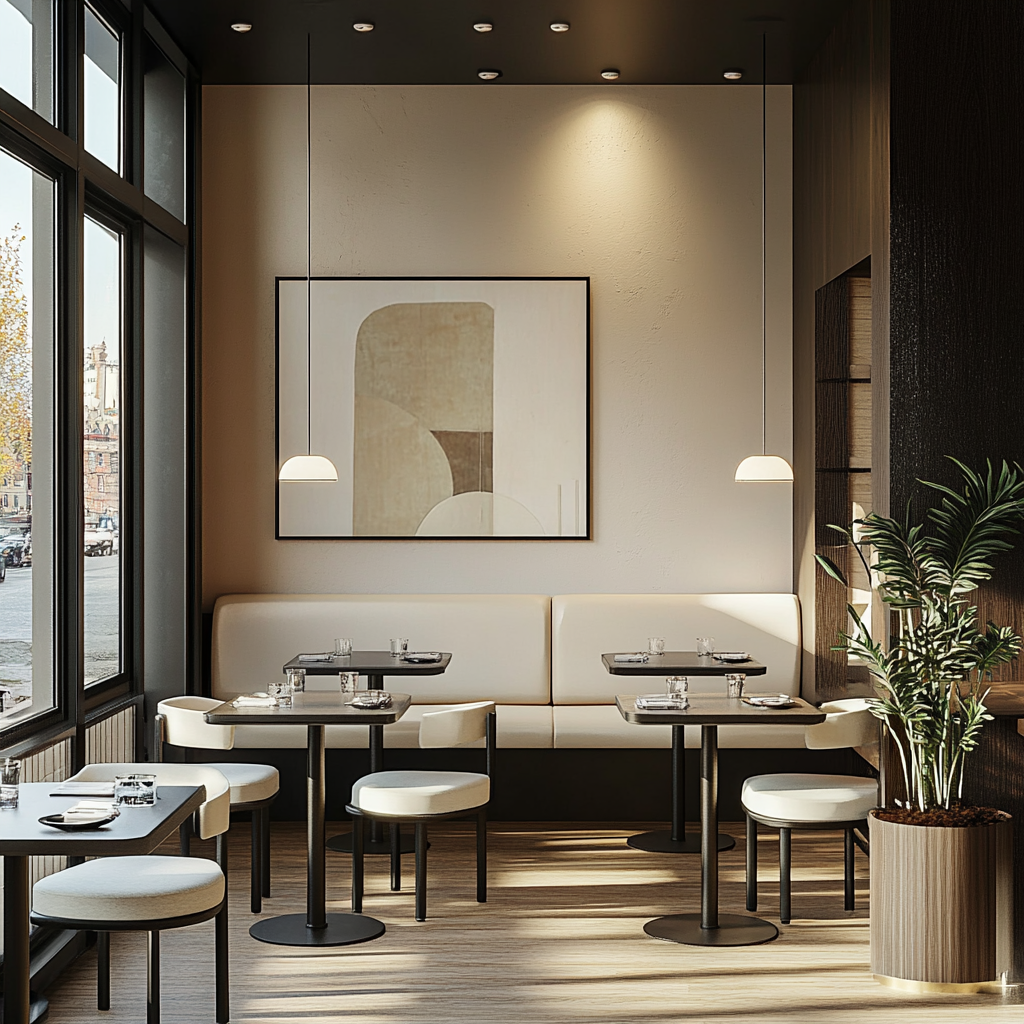
The right chair can significantly influence how spacious a room feels. Chairs with slender frames, open-back designs, and lightweight materials help maintain an airy atmosphere. Stackable or easily movable chairs also provide the flexibility needed for cleaning and reconfiguration. Metal-framed chairs with minimal silhouettes are particularly effective in modern small-space concepts, offering durability without overwhelming the visual balance of the room.
4. Using Layout Planning to Maximize Circulation
Efficient circulation is essential for guest comfort and smooth service. By aligning tables along walls, minimizing dead zones, and maintaining consistent aisle widths, small restaurants can create a structured and harmonious dining environment. Two-top tables offer the greatest flexibility, as they can be combined to accommodate different party sizes without interrupting the layout. Professional layout planning or 3D visualization is especially useful for identifying the most efficient configurations.
5. Incorporating Multi-Functional and Modular Furniture
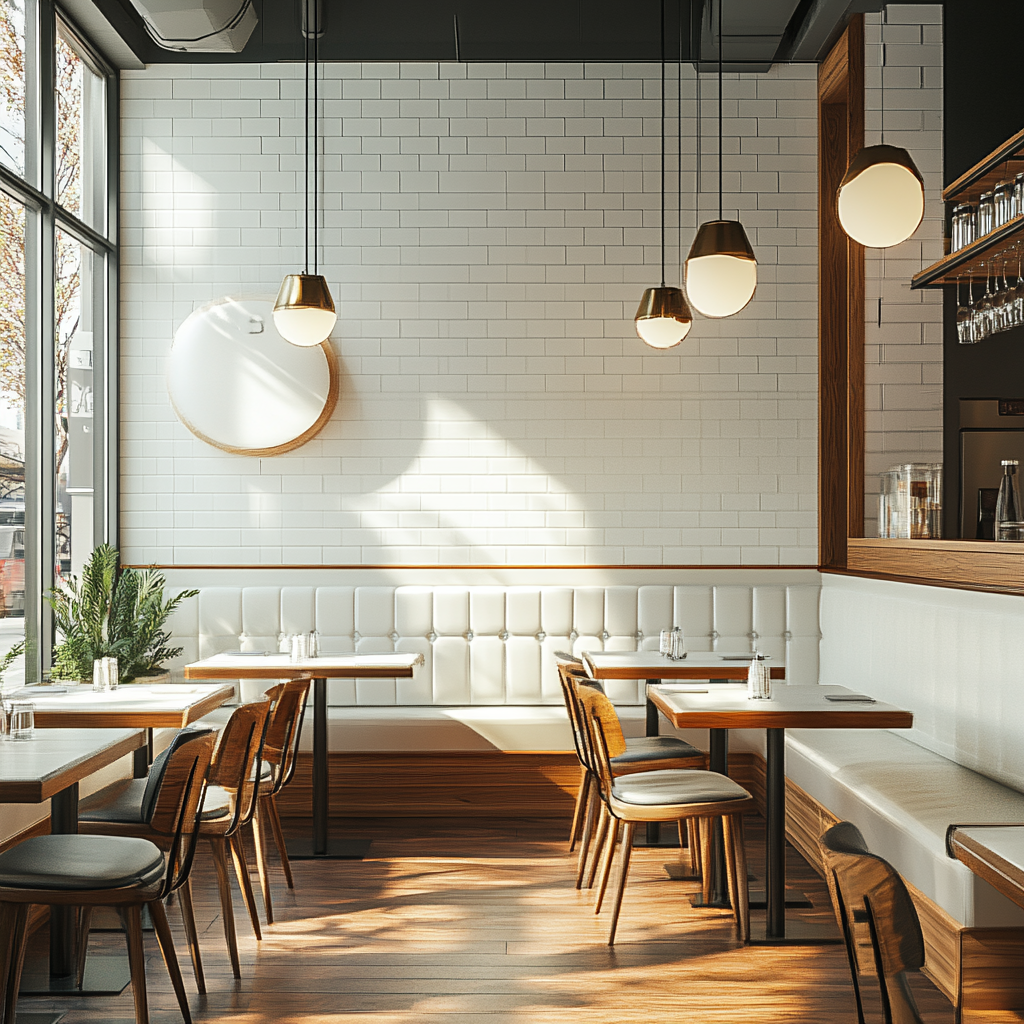
Furniture that serves more than one purpose is invaluable in small dining spaces. Benches with integrated storage, modular booths that can be reconfigured, or bar-height counters that double as waiting areas help maximize both function and aesthetics. By investing in smart, multi-functional pieces, restaurants not only optimize space but also create an environment that feels dynamic and thoughtfully designed.
Conclusion
A small restaurant can still feel spacious, elegant, and efficient when the furniture is carefully selected and the layout is thoughtfully planned. By focusing on compact seating solutions, strategic booth installations, and versatile furniture, restaurant owners can maximize their usable space while creating a warm and welcoming atmosphere that enhances the overall dining experience.


