This article explores why loose chairs struggle in high-turnover dining environments and how alternative seating strategies improve durability and efficiency.
High-turnover restaurants operate under constant physical stress. Chairs are moved repeatedly, dragged across floors, and exposed to uneven loading. Over time, these forces expose the limitations of traditional loose seating.
Loose chairs fail primarily due to movement. Each shift places stress on joints, fasteners, and legs. As instability increases, noise becomes noticeable, safety risks emerge, and staff compensation efforts consume time. Durable seating for busy restaurants must limit unnecessary movement, not accommodate it.
Another issue is layout drift. In fast-paced service environments, chairs gradually migrate away from their intended positions. Aisle widths shrink, service flow becomes inefficient, and compliance with safety clearances weakens. These issues often go unnoticed until they affect operations.
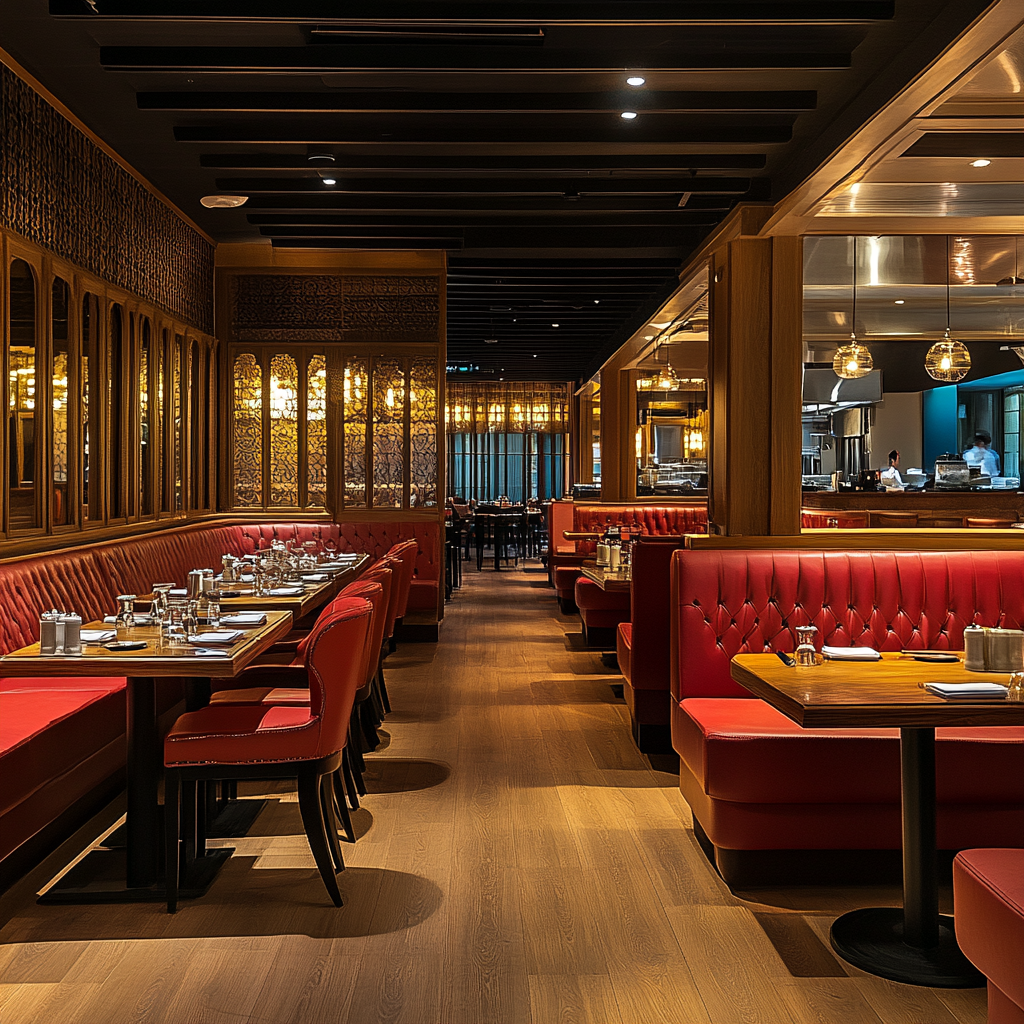
Many high-turnover restaurants replace loose chairs with fixed or semi-fixed seating systems. Wall-supported banquettes, bench seating, and anchored chair bases reduce lateral stress and preserve layout discipline. These systems stabilize seat positions and extend service life.
Hybrid seating strategies are increasingly common. Restaurants maintain flexibility in low-stress zones while reinforcing high-use areas with fixed seating. This approach balances adaptability with durability, reducing overall maintenance burden.
The goal is not to eliminate flexibility but to control where movement occurs. In high-turnover environments, unmanaged movement accelerates failure.
Seating strategy should reflect operational reality. Loose chairs belong where turnover is low, not where speed defines success.


