This article explains how seating geometry subtly shapes guest behavior and restaurant performance.
Furniture geometry influences behavior before service begins. Guests respond subconsciously to seat height, depth, and spacing. These factors shape posture, comfort, and dining duration.
Chairs with improper seat height cause fatigue. Guests adjust frequently, creating discomfort that shortens dining time. Dining chair seat height in restaurants must support natural posture, allowing feet to rest flat and shoulders to relax.
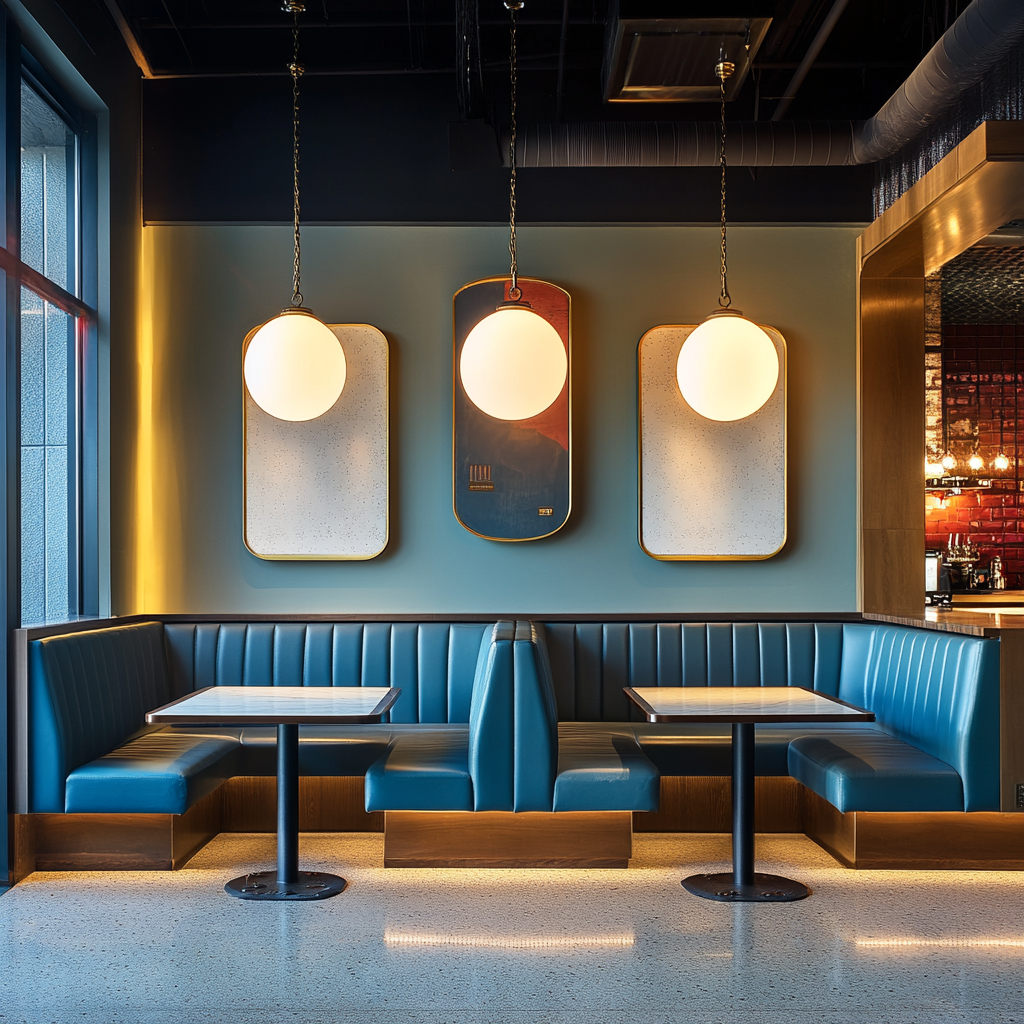
Booth depth has similar effects. Excessive depth encourages lounging, extending dwell time beyond intended turnover. Shallow depth restricts comfort. Commercial booth seating depth must strike a balance, supporting relaxation without encouraging excessive lingering.
Spacing between seats also matters. Tight spacing increases perceived crowding, even in visually open spaces. Adequate clearance improves acoustic comfort and perceived privacy, directly affecting satisfaction.
These geometric factors influence revenue indirectly. Faster turnover supports volume-driven concepts, while longer dwell times support premium dining. Furniture dimensions must align with business objectives.
Seating geometry is invisible when executed correctly. When it fails, the consequences are measurable.


