

Mob/Whatsapp:
+86-18098163178
E-mail:
sales19@rongroup.co


In the early stages of a restaurant business, furniture decisions are often driven by urgency. Operators choose chairs, tables, and booths based on availability, appearance, or immediate budget constraints. This approach works for a single location, but it breaks down as soon as expansion begins.
Once a brand opens a second or third location, one-off furniture orders create hidden operational friction. Seating dimensions vary slightly between suppliers. Upholstery colors look similar under showroom lighting but differ in real dining environments. Replacement parts are unavailable or incompatible. Over time, these inconsistencies weaken brand identity and complicate daily operations.
This is where restaurant seating systems replace individual furniture decisions.
A standardized seating system is not a single product. It is a defined framework that governs dimensions, materials, construction methods, and finishes across all seating types. Chairs, booths, banquettes, and tables are designed to work together as a repeatable solution rather than isolated items.
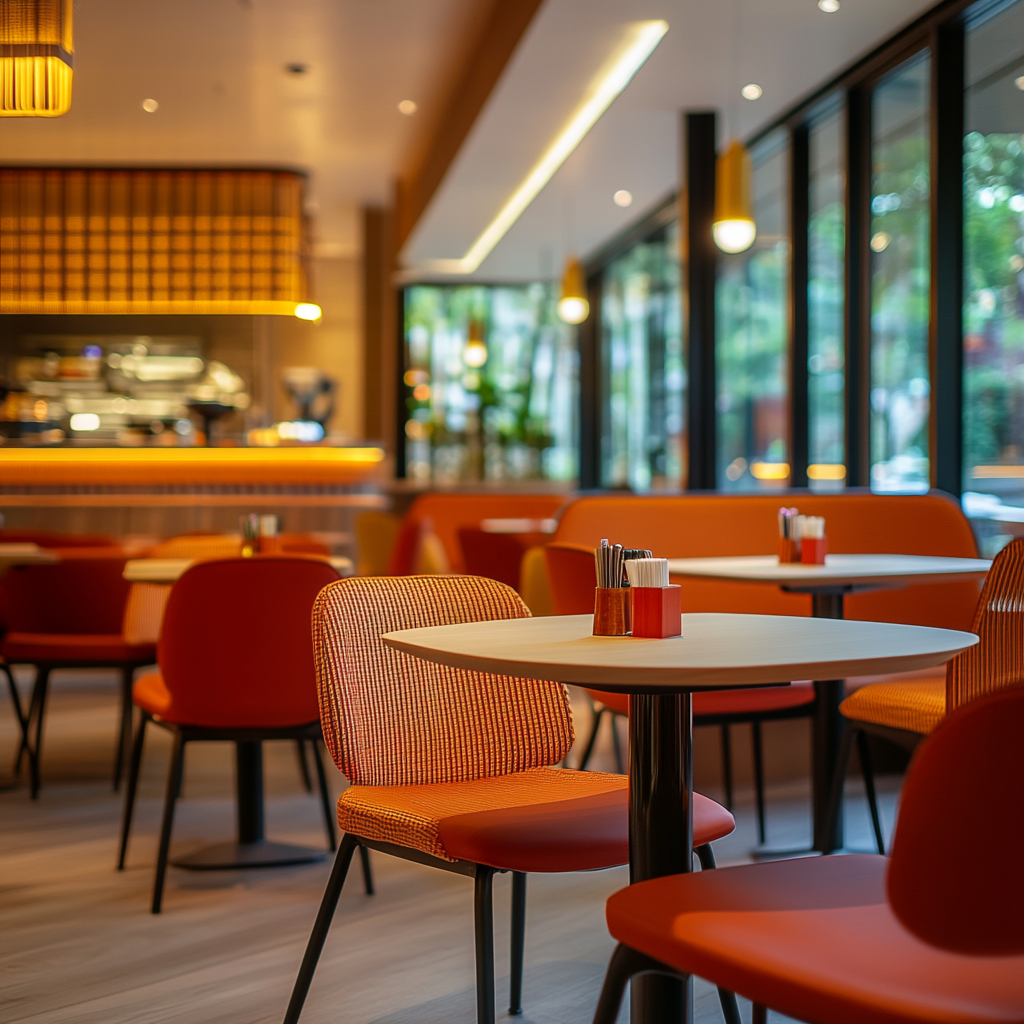
For growing brands, standardization delivers control. Seat heights remain consistent across locations, ensuring uniform guest comfort. Booth depths and back angles follow proven specifications, supporting predictable dining behavior. Materials are selected based on durability and maintenance performance, not short-term cost savings.
Standardized restaurant furniture also simplifies expansion. New locations no longer require furniture re-selection from scratch. Approved specifications are reused, lead times are predictable, and installation errors are reduced. This shortens opening timelines and minimizes costly last-minute changes.
Maintenance is another overlooked advantage. In non-standardized environments, replacing damaged seating often leads to visual inconsistency. A chair replaced six months later looks slightly different from the original set. With a seating system, replacements match existing installations in structure, finish, and performance.
As brands scale, procurement risk increases. Different suppliers introduce variations in quality and construction. A scalable restaurant furniture solution centralizes specifications, ensuring every supplier follows the same technical standards. This protects structural integrity and simplifies quality control across multiple projects.
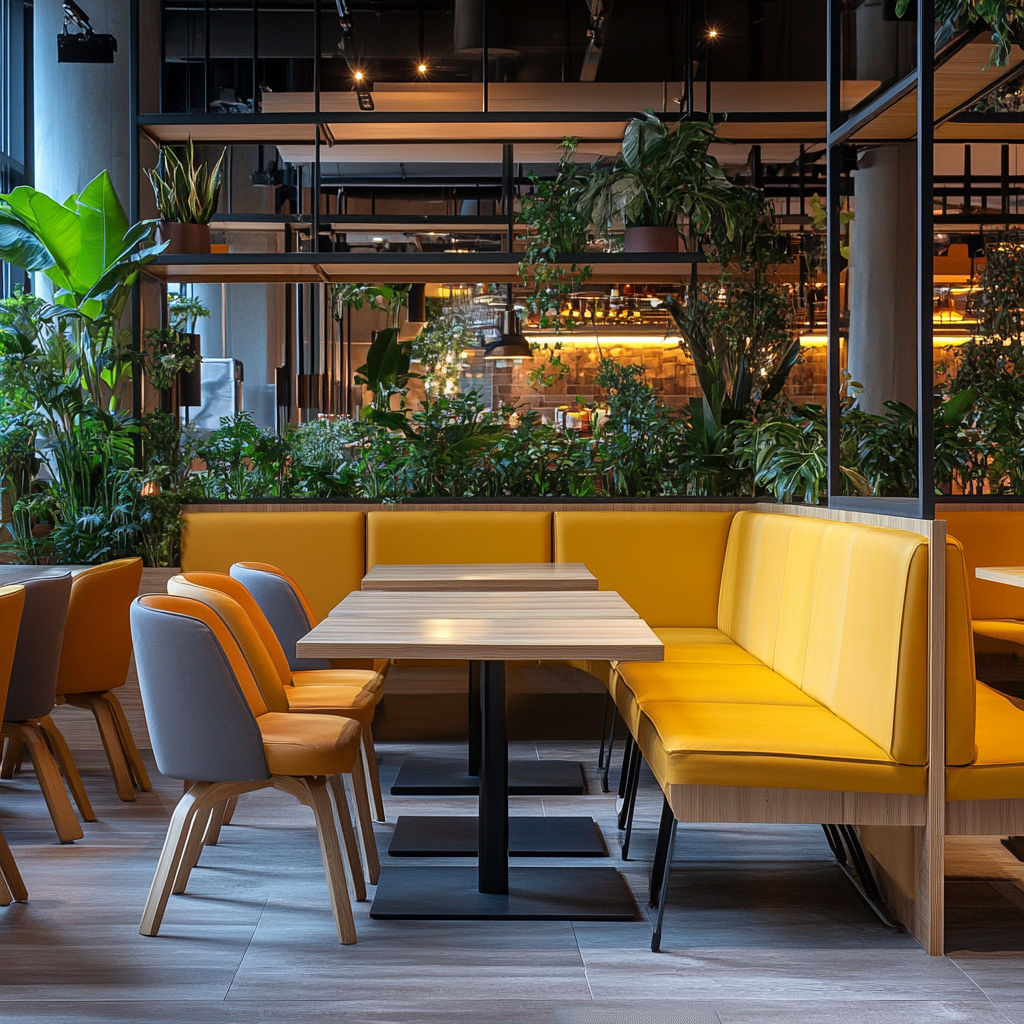
Standardization does not eliminate flexibility. Successful brands define a core seating system while allowing controlled variation in secondary elements such as upholstery color or table size. This balance preserves brand identity while accommodating different floor plans.
From an operational perspective, seating systems also improve staff efficiency. Consistent layouts support repeatable service flow. Staff moving between locations encounter familiar seating configurations, reducing training friction and operational errors.
Most importantly, standardized seating systems align furniture decisions with business growth. What begins as decoration becomes infrastructure. Seating supports expansion rather than slowing it down.
For restaurants transitioning from single-location operators to multi-unit brands, the shift from one-off orders to standardized seating systems is not optional. It is the foundation of scalable, controlled growth.


