

Mob/Whatsapp:
+86-18098163178
E-mail:
sales19@rongroup.co


Restaurant booth seating is more than a furniture choice. It affects how guests feel, how staff move, and how efficiently a dining space performs during daily service.
Compared with loose chairs alone, booths create a stronger sense of comfort, privacy, and order. They help define dining zones, reduce visual clutter, and make the restaurant feel more intentional.
For restaurants, cafés, hotels, and casual dining brands, the right booth design can improve both the guest experience and the commercial value of the space.
1. Use Wall Bench Seating to Save Space
Wall bench seating is one of the most practical choices for restaurants with limited floor area.
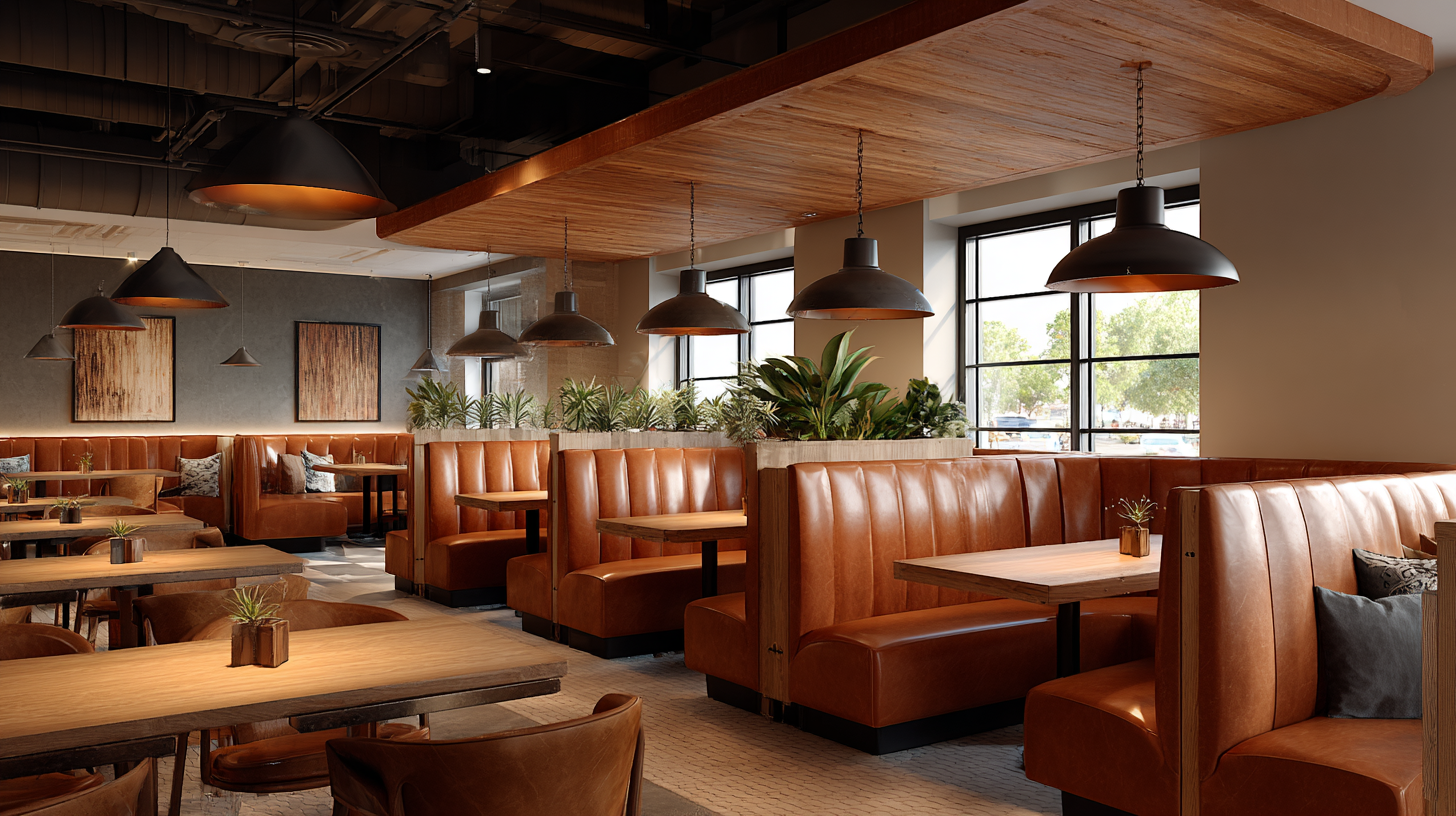
By placing upholstered banquette seating along the wall, restaurants can keep the central aisle open while still adding more seats. This layout works especially well for cafés, brunch restaurants, hotel breakfast areas, and narrow dining rooms.
The biggest advantage is efficiency. Guests enjoy comfortable fixed seating, while loose chairs on the opposite side keep the layout flexible. Staff can move more easily, and the dining room looks cleaner and more organized.
2. Choose Double Booths for High-Traffic Restaurants
Double booths are ideal for restaurants that need stable seating capacity and fast table turnover.
This layout places two booth backs together, allowing guests to sit on both sides. It is commonly used in diners, family restaurants, steakhouses, fast casual restaurants, and busy shopping mall dining spaces.
Because double booths stay fixed, they help maintain clear aisles and reduce furniture movement during peak hours. For high-traffic restaurants, this creates a more controlled and efficient dining environment.
3. Add Half-Circle Booths for a Premium Look
Half-circle booths are a strong choice for restaurants that want to create a more memorable seating area.
Their curved shape feels more private and social, making them suitable for VIP corners, hotel lounges, dessert cafés, fine casual restaurants, and feature dining zones.
When paired with a round table, a half-circle booth encourages conversation and creates a more intimate dining experience. Placed near a window, under pendant lighting, or in a quiet corner, it can also become one of the most attractive spots in the restaurant.
This type of booth is not only seating. It becomes part of the restaurant’s visual identity.
4. Match Booth Height with the Dining Concept
Booth height changes how a restaurant feels.
Low-back booths create an open and casual atmosphere. They are suitable for cafés, brunch restaurants, staff dining areas, and modern casual concepts.
Medium-back booths offer more comfort and separation without blocking the view. They work well for bistros, hotel dining rooms, and family restaurants.
High-back booths create stronger privacy and a more intimate feeling. They are often used in steakhouses, business dining spaces, and premium restaurants.
The right height should match the restaurant’s service style, customer expectations, and overall atmosphere.
5. Select Upholstery Made for Commercial Use
Restaurant booths are used every day, so material choice matters.
Guests slide in and out, food and drinks may spill, and staff need to clean the surfaces frequently. For this reason, booth upholstery should not be selected only by color.
Commercial booth materials should be durable, easy to clean, comfortable, and resistant to cracking or deformation. PU leather, leather-look vinyl, textured performance fabric, and high-density foam are common choices for restaurant booth seating.
A booth may look good on opening day, but the real test begins after months of daily service. Better materials help reduce replacement costs and keep the restaurant looking professional for longer.
6. Pair Booths with the Right Tables
A good booth can still fail if the table does not match.
The table must provide enough space for plates, drinks, menus, and shared dishes without making guests feel crowded. The table base should also allow comfortable legroom and easy movement in and out of the booth.
For many booth layouts, central pedestal table bases are a practical choice because they save space and make cleaning easier. The tabletop should be durable, stable, and suitable for frequent commercial use.
Booths and tables should be planned as one complete seating system, not as separate products.
7. Combine Booths and Loose Chairs for Flexibility
The best restaurant layouts usually combine different seating types.
Booths provide comfort, structure, and privacy. Loose chairs provide flexibility for different group sizes. When used together, they help the restaurant adapt throughout the day.
For example, wall booths can serve couples and small groups, while movable tables and chairs in the center can support families, business groups, or larger parties.
This combination is especially useful for cafés, casual dining brands, hotel restaurants, and high-traffic urban restaurants. A flexible layout helps reduce wasted seats and improve revenue per square meter.


